
The gear we carry on every inspection
Clients ask which mold inspection tools we use, or what to keep at home after a leak. These are the tools in our bags, the same ones you see in our job photos, with a note on why we use each one. Links go to Amazon; we may earn a small commission, at no extra cost to you.
Find the water first.
FLIR MR277 moisture meter
Our main meter: a thermal camera with pin and pinless moisture sensors. It draws most of our moisture maps.
View on Amazon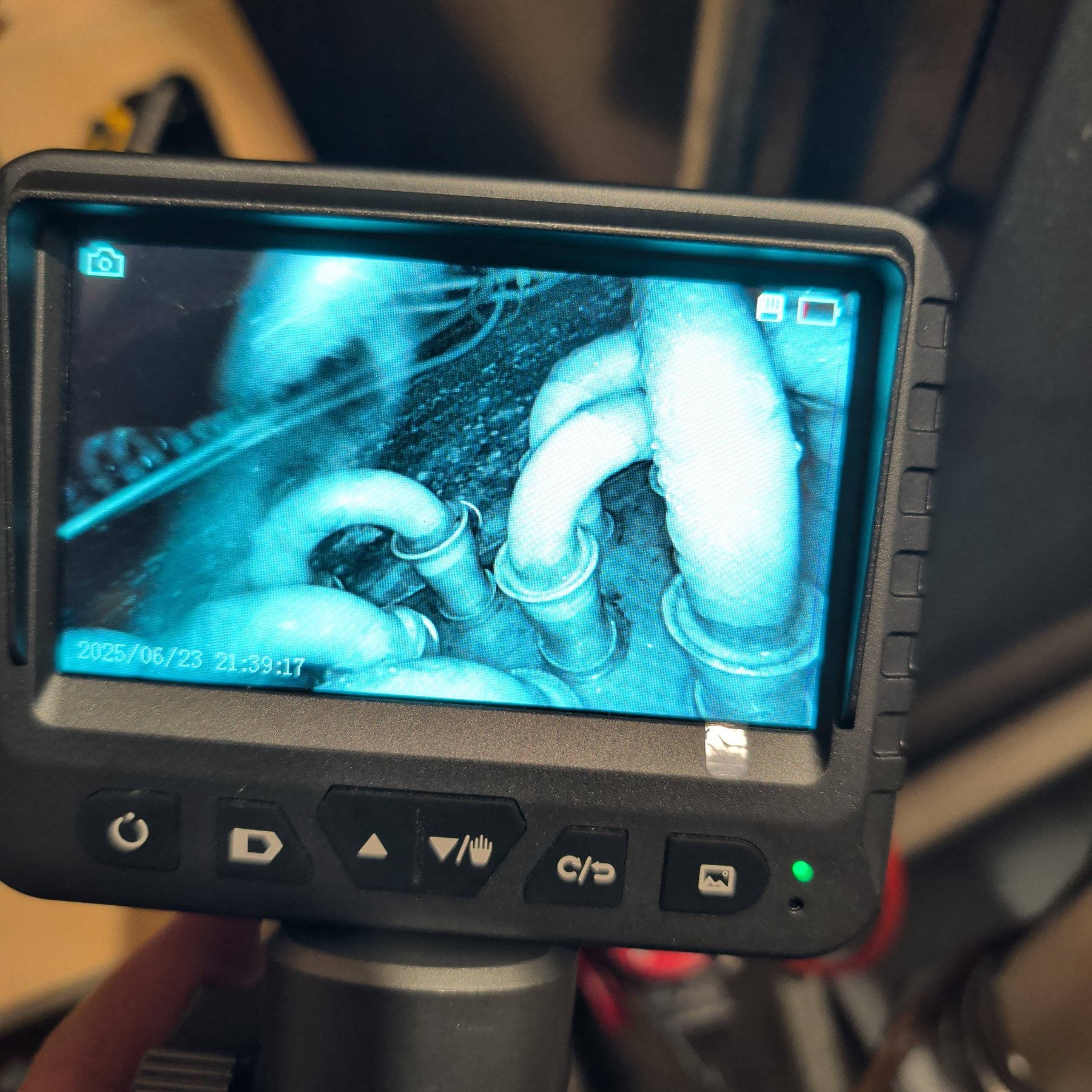
DXZtoz articulating borescope
A small camera on a steerable cable for tight spots: inside ducts, wall cavities and behind equipment, through a small opening, before anything is opened up.
View on AmazonProtimeter SurveyMaster
A dual-function moisture meter with pin and non-invasive modes. A solid second meter; the FLIR MR277 does the same job with a thermal camera built in.
View on AmazonFLIR One Pro
A thermal camera that plugs into a phone, and a good lower-cost alternative to a dedicated thermal meter. Cool, damp spots show up on screen so you know where to check with a meter.
View on Amazon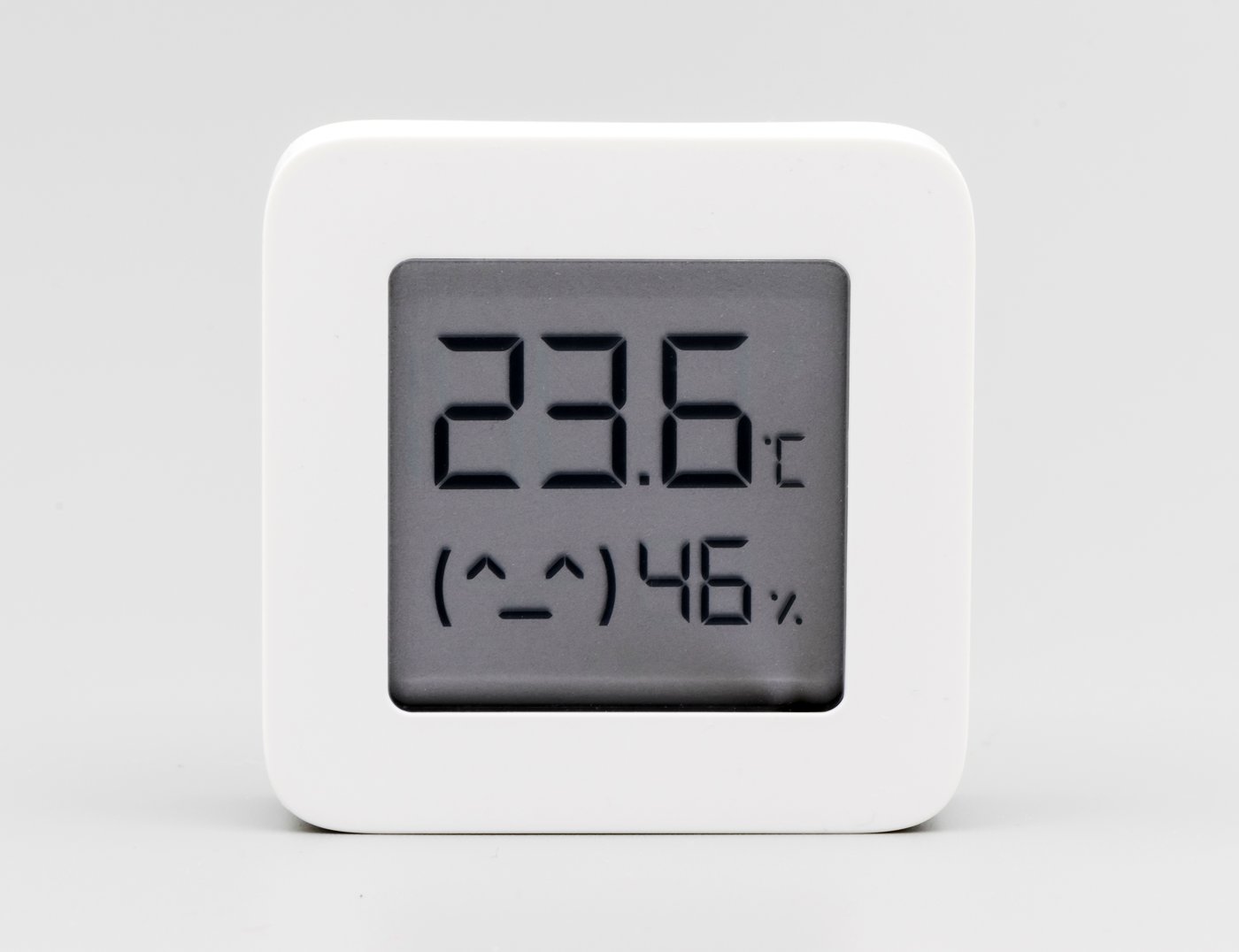
Mini hygrometers (6-pack)
Small humidity readers to place around the house. When we need to know how humidity behaves over days, not just during the inspection, we ask clients to set these out.
View on AmazonFrigidaire 50-pint dehumidifier
What we recommend for most homes after a leak or in a damp basement. The EPA advises keeping indoor humidity below 60 percent, ideally 30 to 50 percent.
View on AmazonGetting behind the surface without wrecking it.
IRWIN drywall jab saw
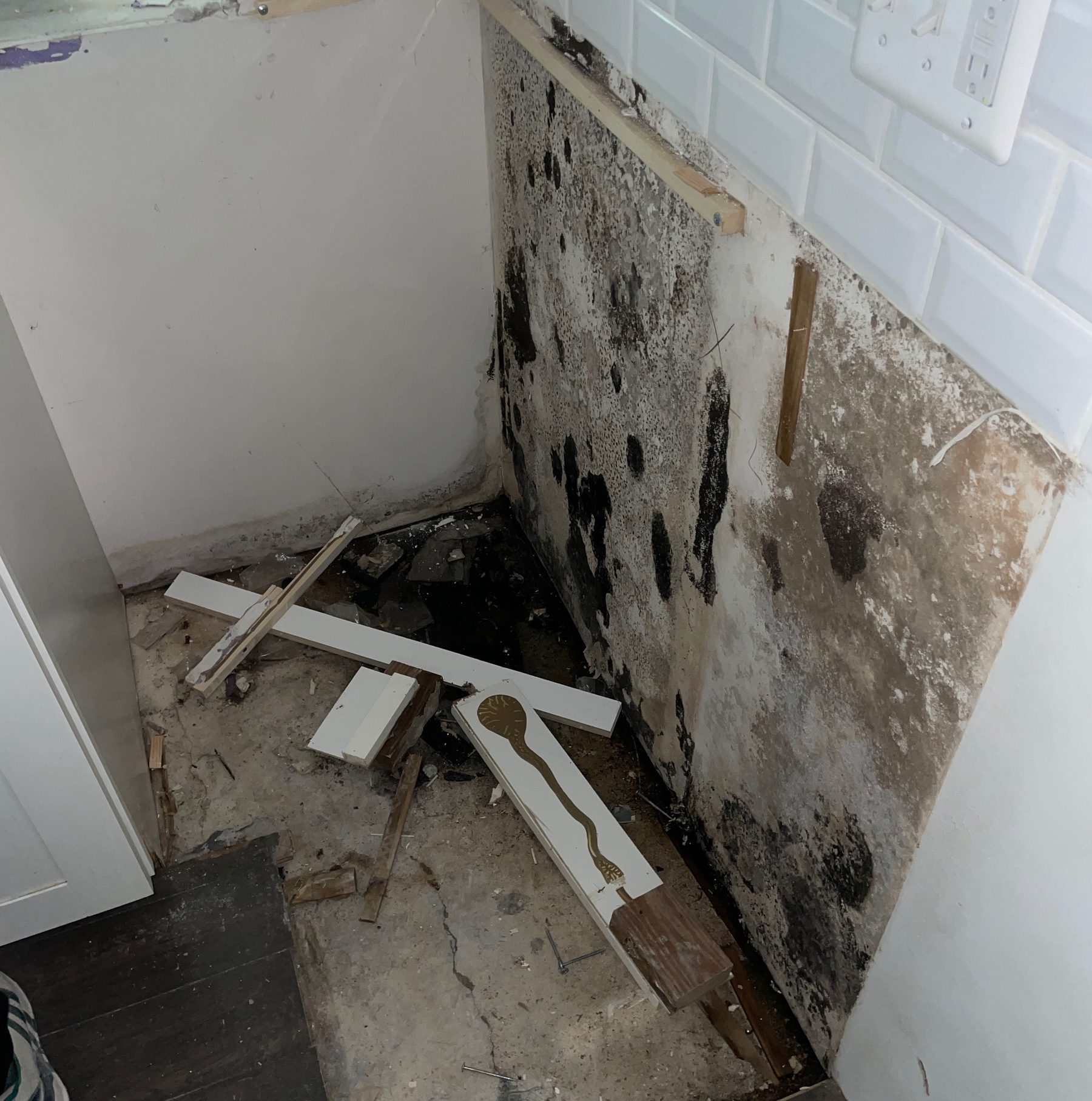
Cuts a clean inspection opening in drywall so we can see into the wall cavity.
View on Amazon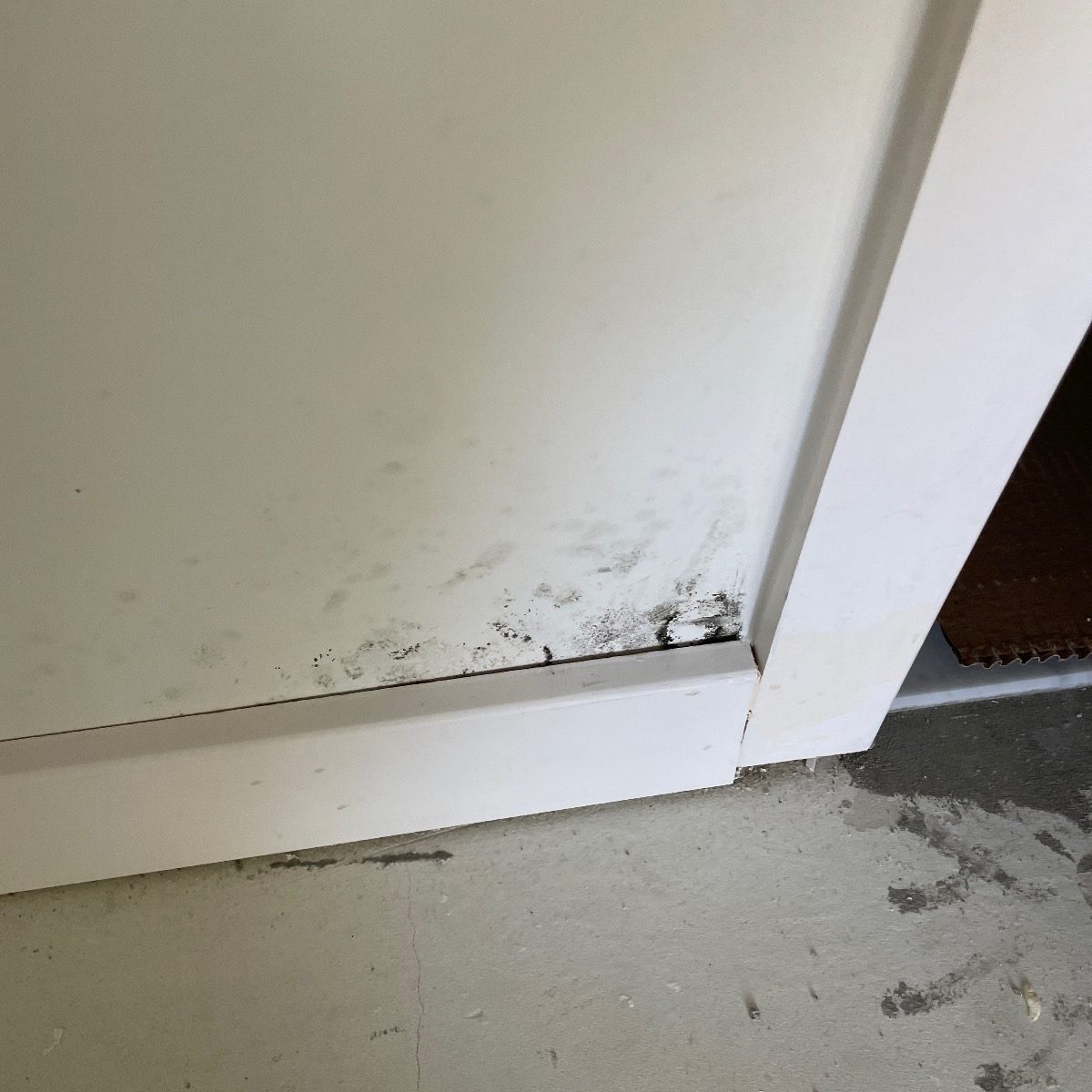
Goldblatt trim puller
Pulls baseboard off cleanly so we can check the bottom of the wall, where water and mold usually start, and put the trim back after.
View on Amazon
Folding utility knives with spare blades
What our inspectors use to cut bulk samples for asbestos testing, and for small cuts in caulk, wallpaper and tape. Sampling suspect asbestos is a job for an accredited inspector; see below.
View on Amazon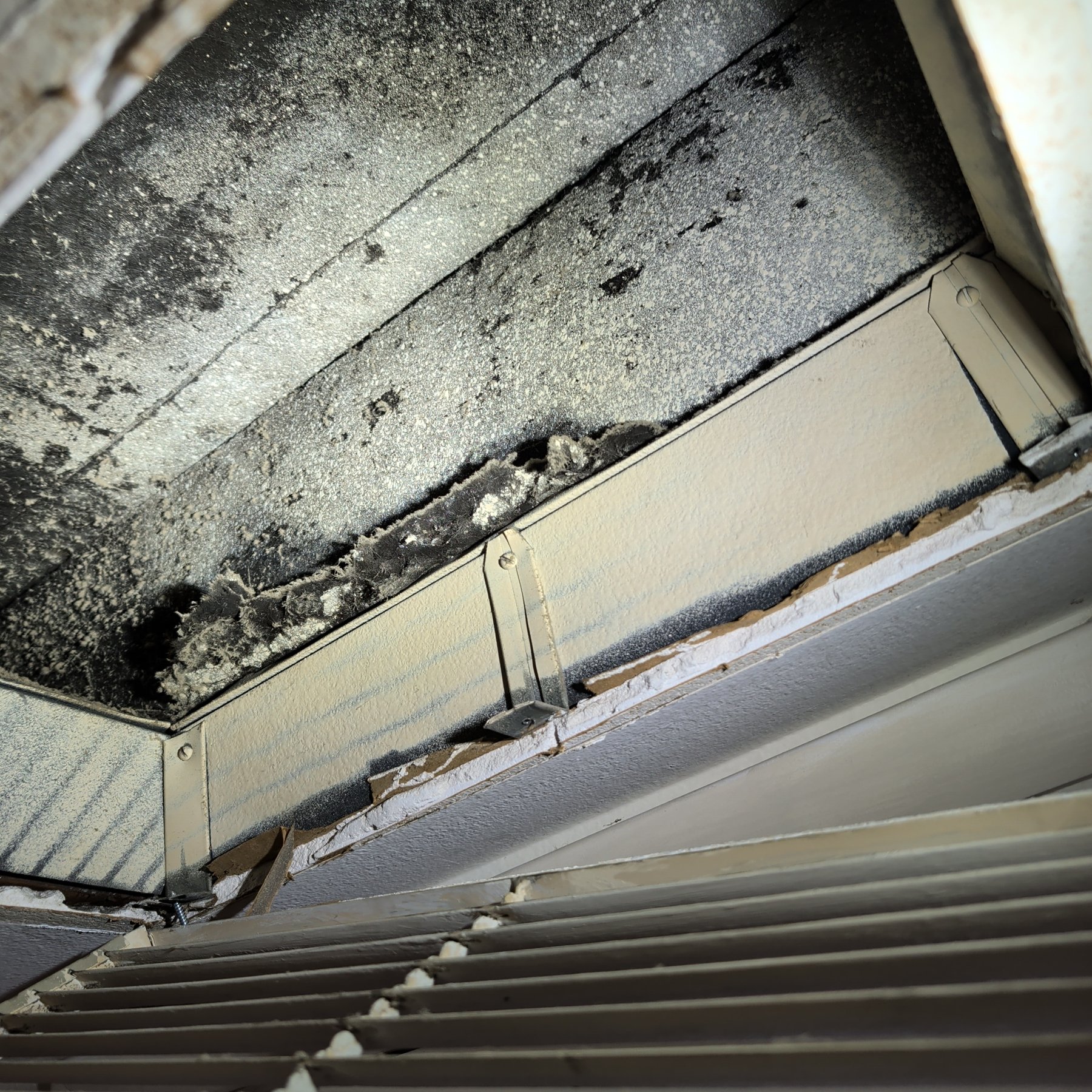
HURRICANE 6-in-1 nut driver set
Opens the access panels on HVAC units so we can look at the evaporator coil and drain pan, two common spots for mold.
View on AmazonMark it on site so nothing gets missed.
Green painter's tape
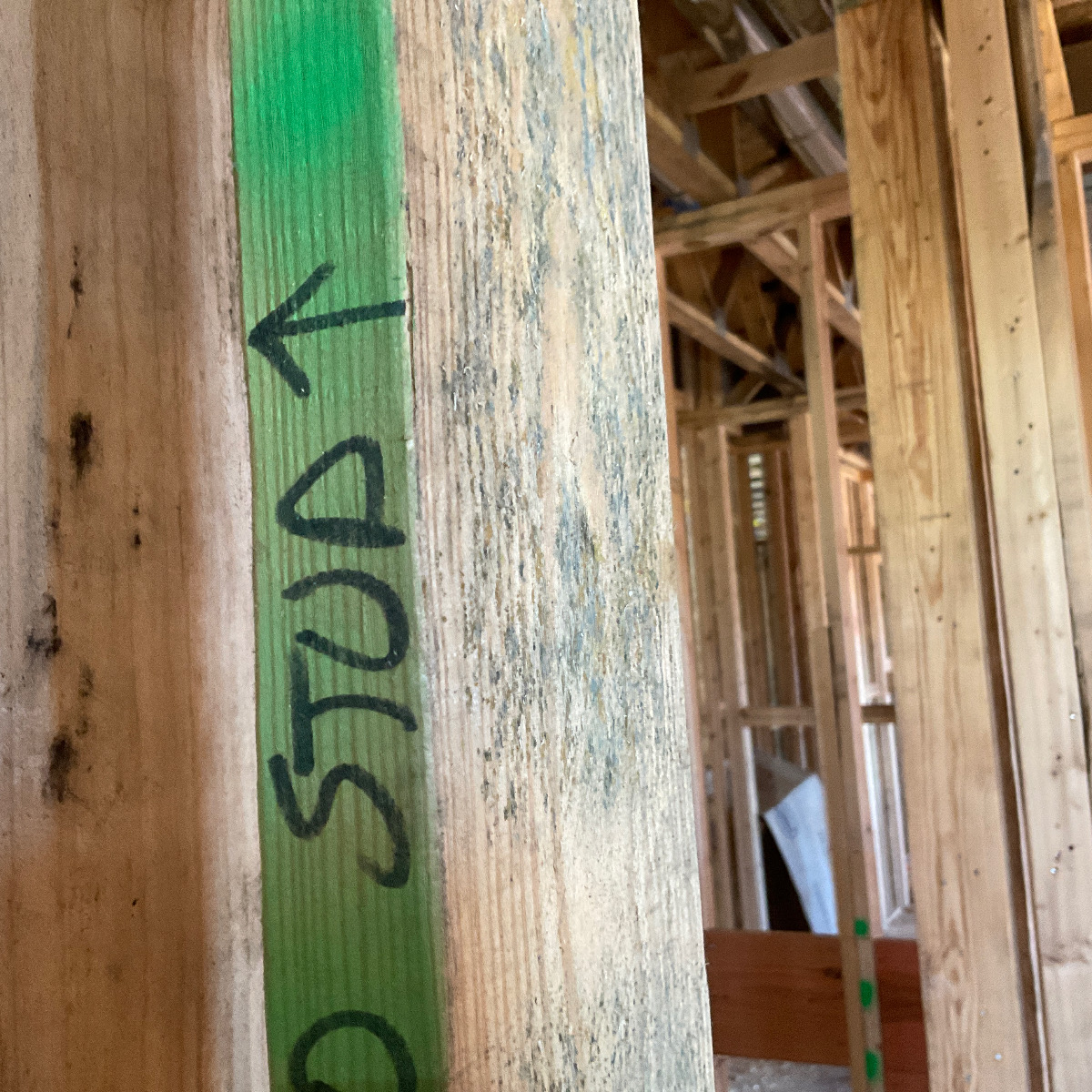
Marks wet areas and sample spots on walls and floors without pulling paint. Any green painter's tape works.
View on Amazon
Sharpie chisel tip markers
The thick ones for marking up drywall, so readings and cut lines are easy to see for the contractor who comes next.
View on Amazon

Quart storage bags
The bigger bags we put air samples in, so each one stays sealed and labeled on the way to the lab.
View on Amazon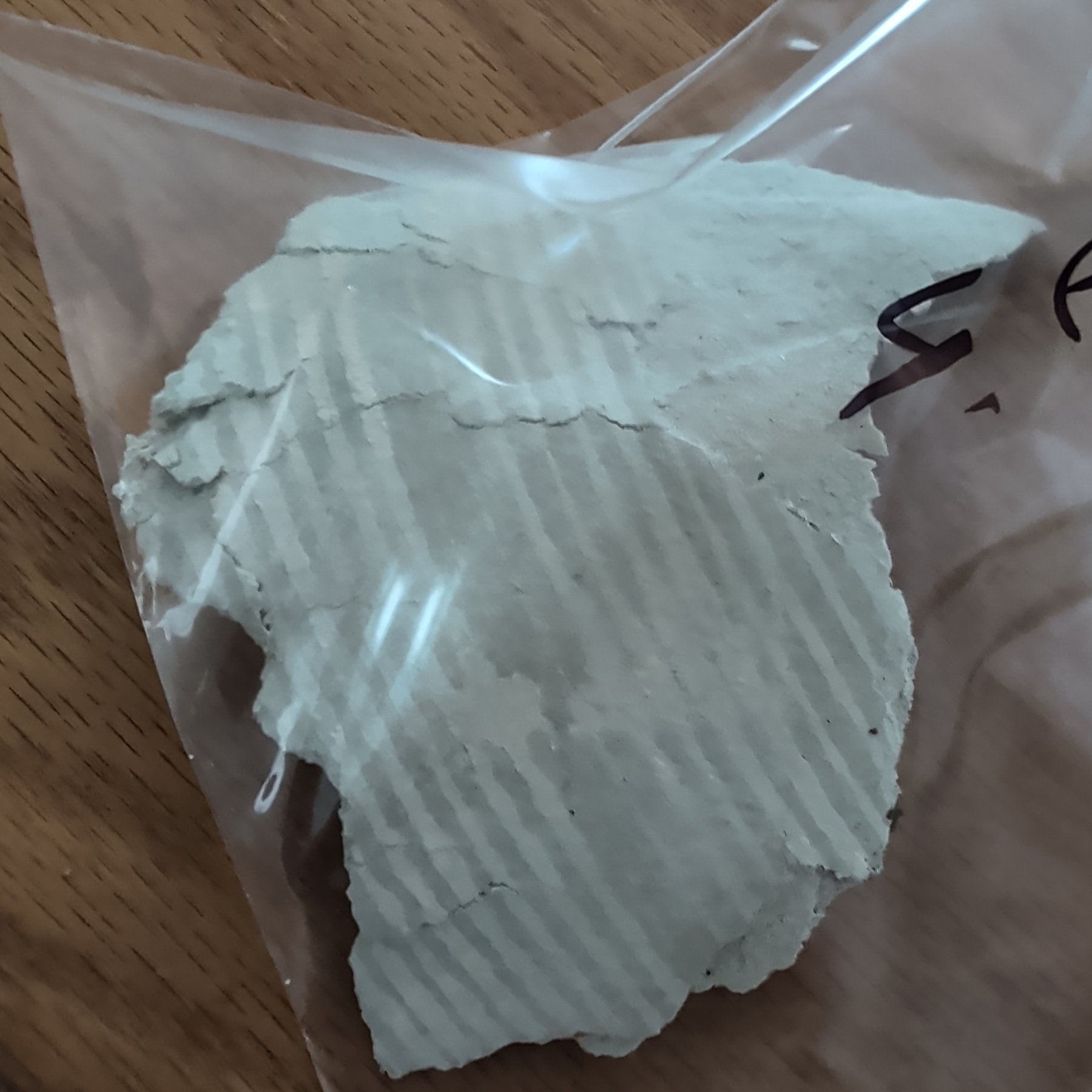
Small 2 x 3 inch zip bags
How we seal each asbestos bulk sample separately, so samples never mix before lab analysis.
View on AmazonWhat we wear and carry on site.
LHKNL rechargeable headlamp (2-pack)
Hands free in attics and crawlspaces, where most of the hidden moisture is. The red mode keeps your night vision in a dark mechanical room.
View on AmazonTrixHub rechargeable flashlights (2-pack)
A bright zoomable beam for ductwork, under sinks and behind the water heater. The charge readout on the handle means it is never dead when we need it.
View on AmazonLexar 128 GB dual USB-C drive
How photos and the report move between the phone, the laptop and a client who wants a copy on the spot. USB-C on one end, standard USB on the other.
View on Amazon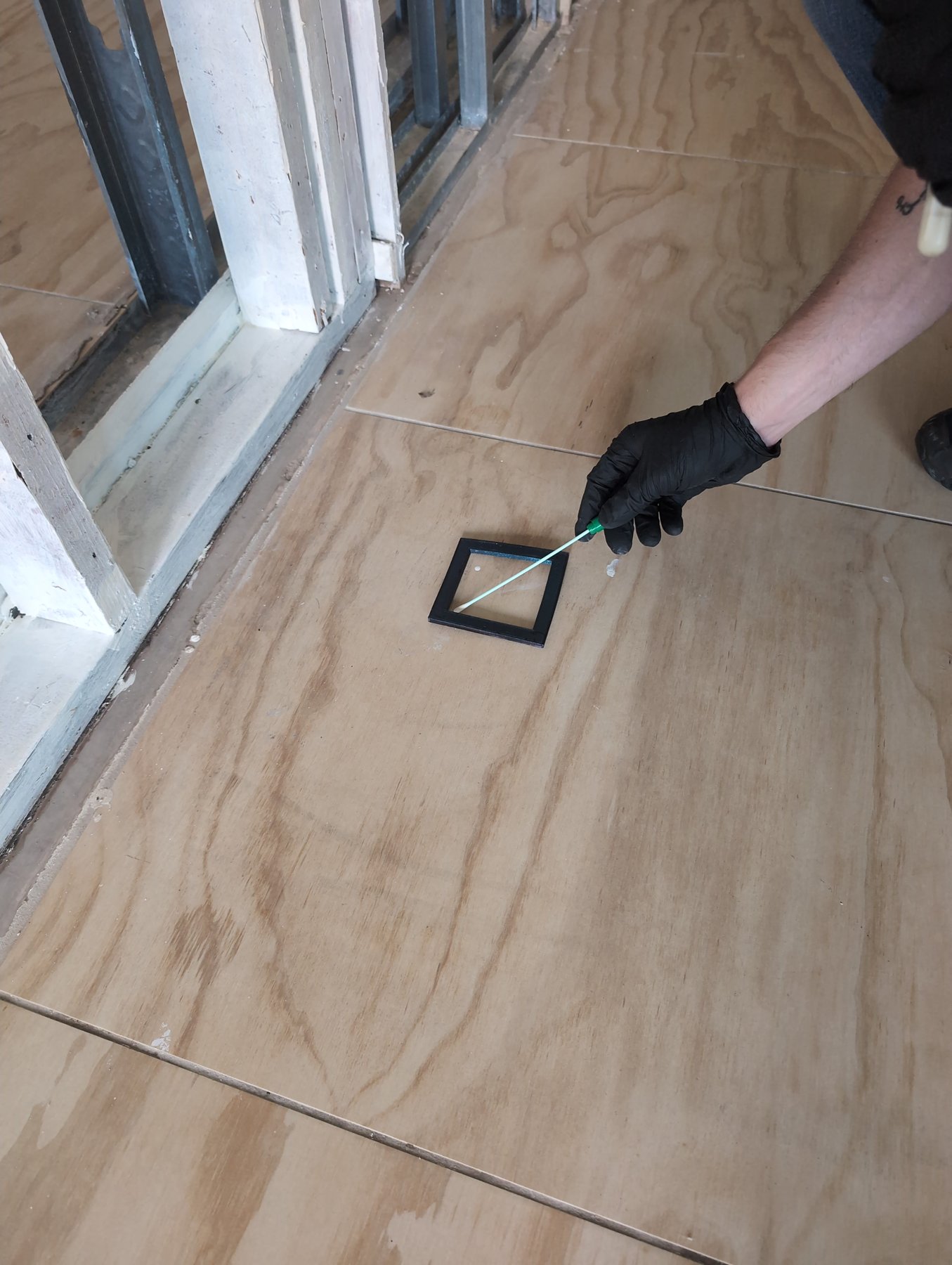
Nitrile gloves
A fresh pair for every mold swab or tape sample and every bulk sample, so nothing carries over from one surface to the next.
View on AmazonAcerpal full brim hard hat
Basic PPE: the hard hat we wear on active construction sites.
View on Amazon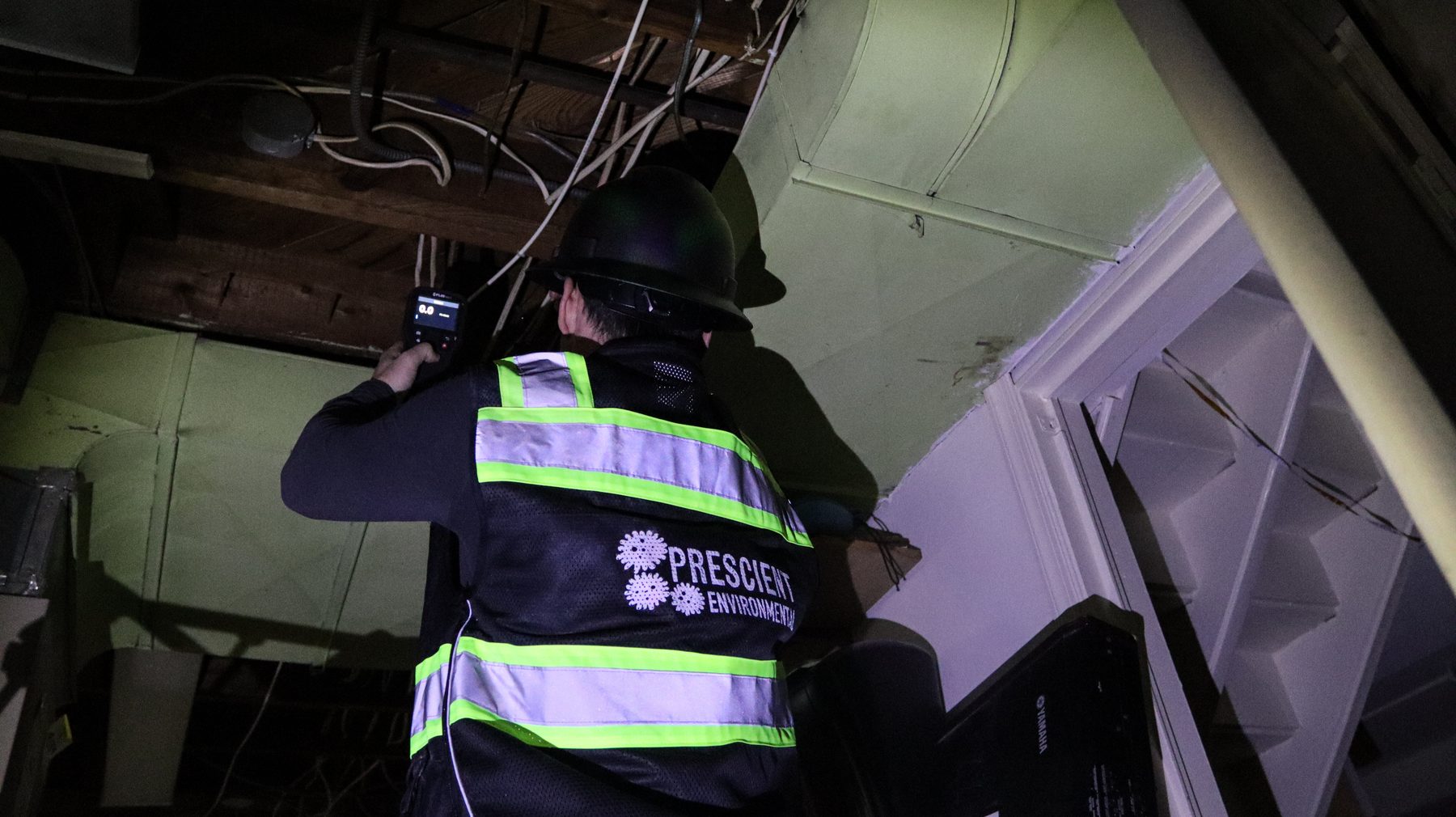
NoCry safety glasses
Basic PPE. Dust and debris come down when ceilings and walls are opened.
View on Amazon
INIU portable charger
Keeps the moisture meter, phone and everything else we use in the field charged through a long day.
View on AmazonAmazon Basics 12 in tool bag
The small bag that carries the meters, the camera and the sampling supplies into the house. Sixteen pockets, so each tool goes back to the same place.
View on Amazontomtoc 40 L travel backpack
The kit for out-of-town jobs: laptop, spare meters, chargers and a change of clothes in one carry-on that fits under the seat.
View on Amazonsquish disposable shoe covers (100)
We put these on at the door. Your floors stay clean, and we do not carry anything from one home into the next.
View on AmazonSome testing should not be done at home.
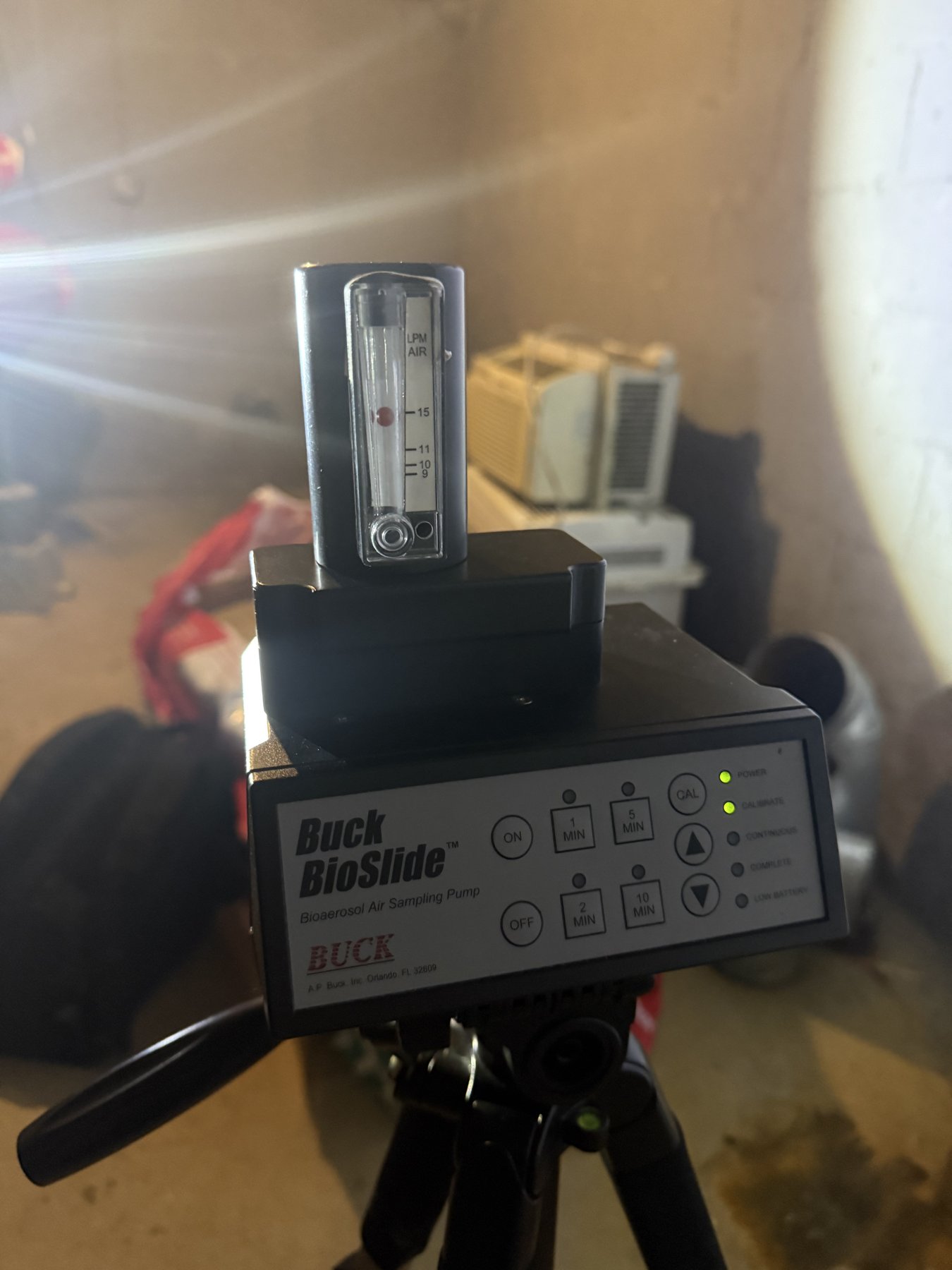
- Mold air sampling compares indoor air to an outdoor control and goes to an accredited lab. A meter or a store kit cannot tell you that.
- Never break, cut or sample material you suspect contains asbestos. Disturbing it can release fibers. Our accredited inspectors collect and seal samples for lab analysis.
- If a meter shows water where it should not be, call us. We find the source, map the extent and write it up so it can be fixed once.
We only list gear we use on our own inspections. As an Amazon Associate, Prescient Environmental earns from qualifying purchases.
Photos are from our own inspections, except these from Wikimedia Commons: Small digital hygrometer by Jacek Halicki (CC BY-SA 4.0); Folding utility knife by J.C. Fields (CC BY-SA 3.0); A pair of orange foam earplugs by Sokolikmawwer0 (CC BY-SA 3.0); Sharpie permanent markers with fine and ultra fine tips by Evan-amos (Public domain); Clear zipper storage bag by Fructibus (CC0).
Not sure what a reading means?
Send us a photo or a number and we will tell you on the phone whether it is worth a visit.