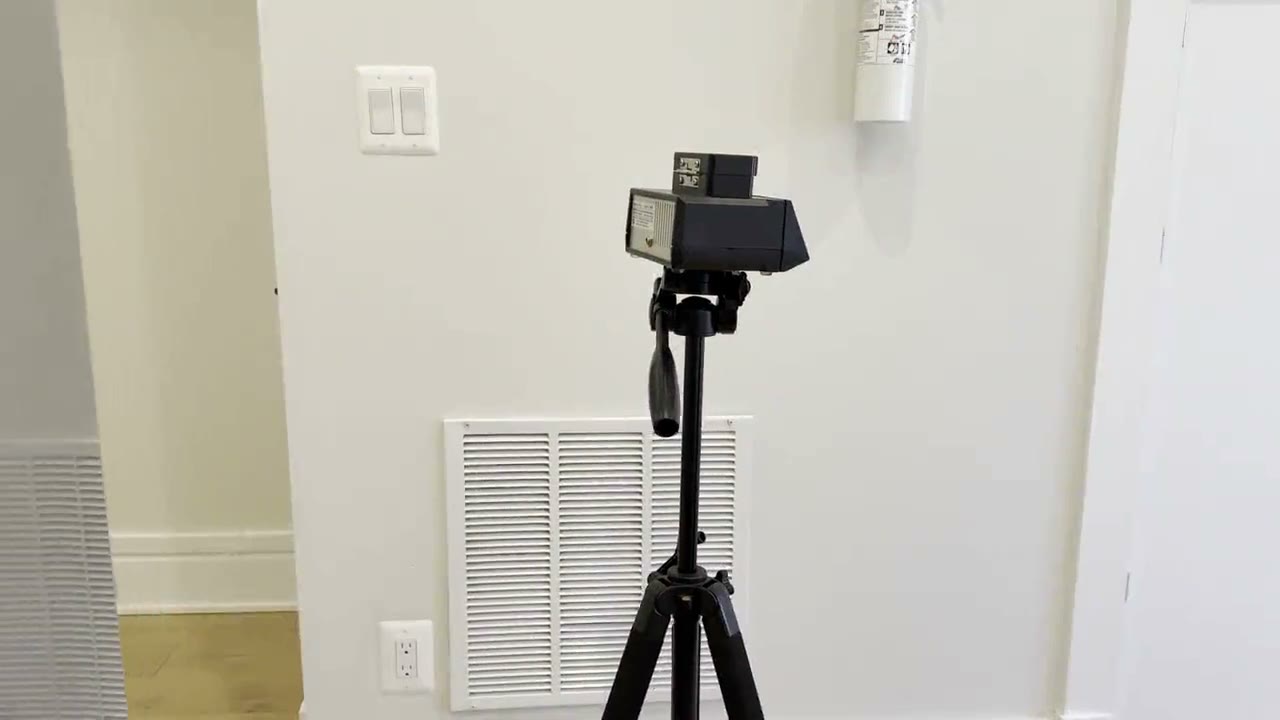
Post-Remediation Verification and Mold Clearance Testing
Before the walls go back up, have the work checked by someone who did not do it. We inspect the remediated area, take moisture readings and air samples with an outdoor comparison, and give you a written pass or fail you can hand to your contractor, insurer or buyer. We never sell remediation, so the result is the result. Homes, condos and buildings across Washington DC, Maryland and Northern Virginia.
Close the walls once, not twice.
Post-remediation verification (PRV) confirms the remediated area is back to normal fungal ecology, what the ANSI/IICRC S520 Standard calls Condition 1, before drywall, flooring and finishes cover it up.
- Independent. The company that removed the mold should not be the one grading its own work.
- Before reconstruction. Anything missed is still reachable, and fixing it costs a recleaning, not a second tear-out.
- On paper. A written result for your insurer, your buyer or lender, your landlord or tenant, and your own records.
- Any remediator. We verify work by any contractor, including jobs we did not inspect first.
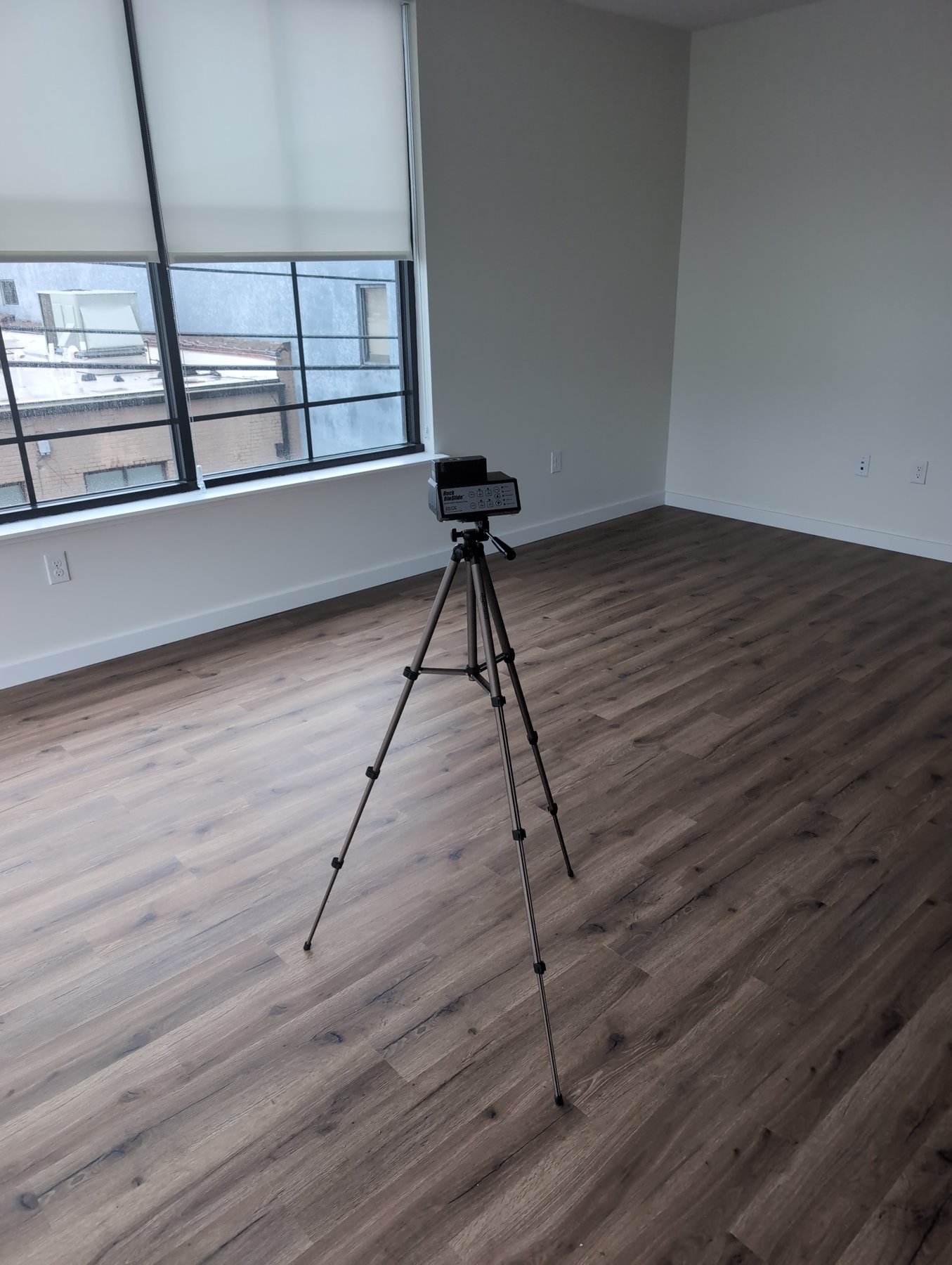
Four steps to a clear answer.
Visual inspection
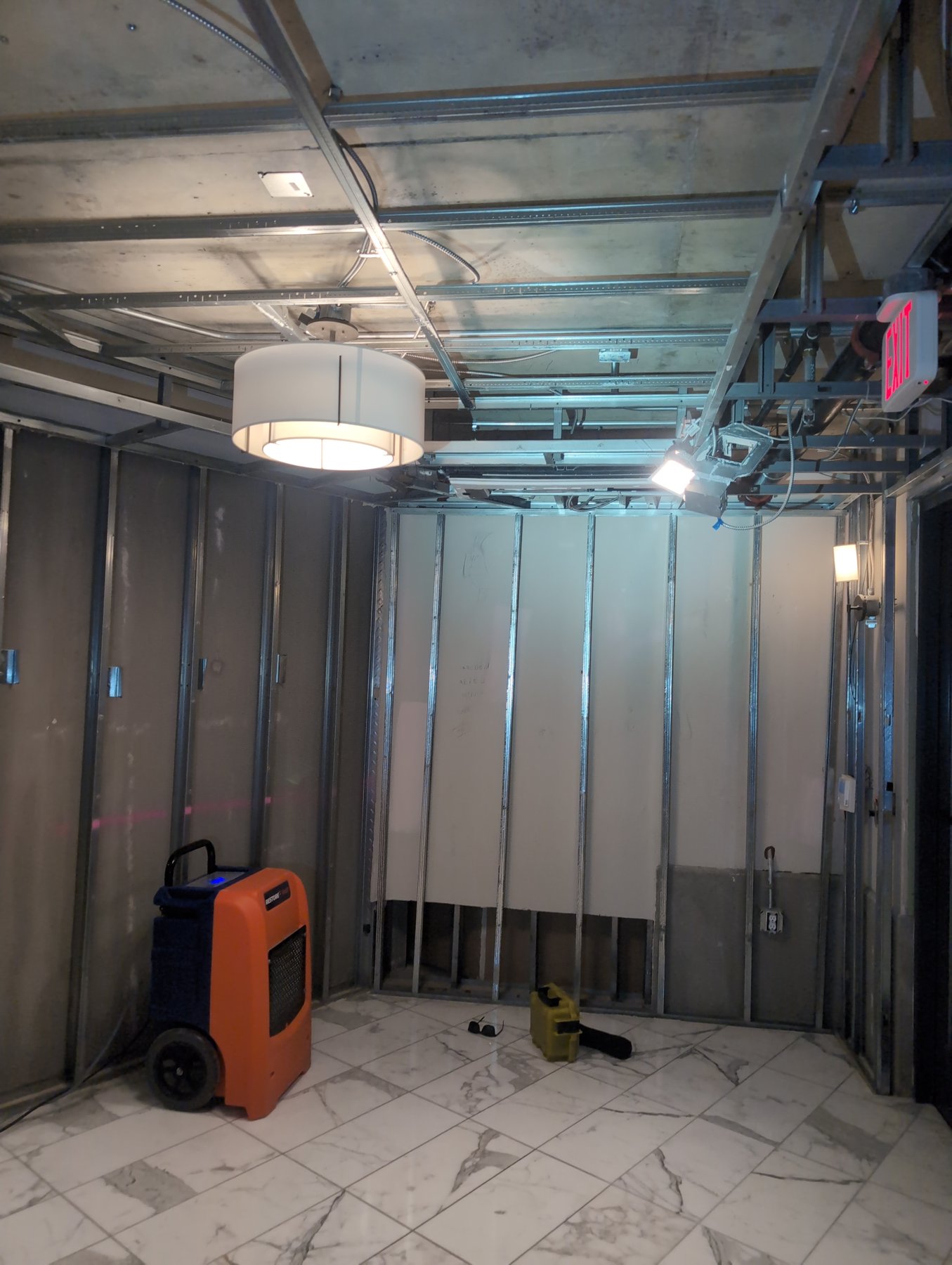
We check the containment area for remaining growth, dust and debris, and confirm the impacted materials in the scope were removed or cleaned.
Moisture readings
Framing, drywall edges and subfloor are checked with moisture meters. A wet assembly that gets closed up can grow mold again.
Air sampling
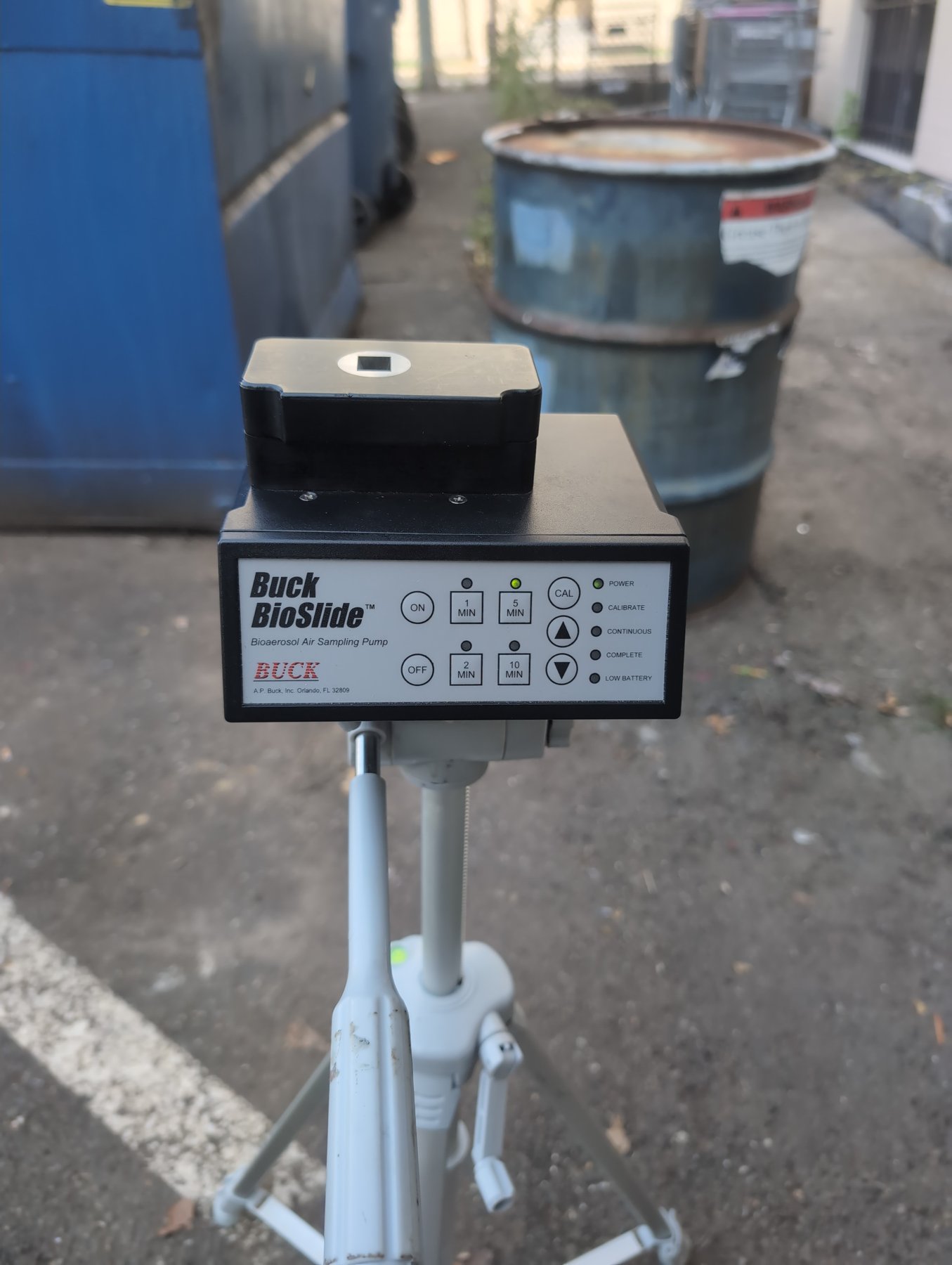
Spore trap samples inside the work area and an outdoor control sample, sent under chain of custody to an accredited laboratory. Surface samples where they add information.
Written result
A report within two days of lab results: pass, or exactly what still needs work. Lab turnaround is typically 24 hours.
A pass, or a short list. Never a sales pitch.
- Pass. The area meets Condition 1 under ANSI/IICRC S520, and reconstruction can proceed as long as the space stays dry.
- Not yet. We tell you what is left: an area that needs more removal or recleaning, a moisture source that is still active, or dust that needs another HEPA pass. After the contractor corrects it, we come back and resample.
- Compared to outdoors. Indoor spore types and levels are read against the outdoor control taken the same day, not against a single number, the same method as our mold air testing.
- Ready to share. Photos, moisture readings, the lab report and a plain-English conclusion your contractor and insurer can act on.
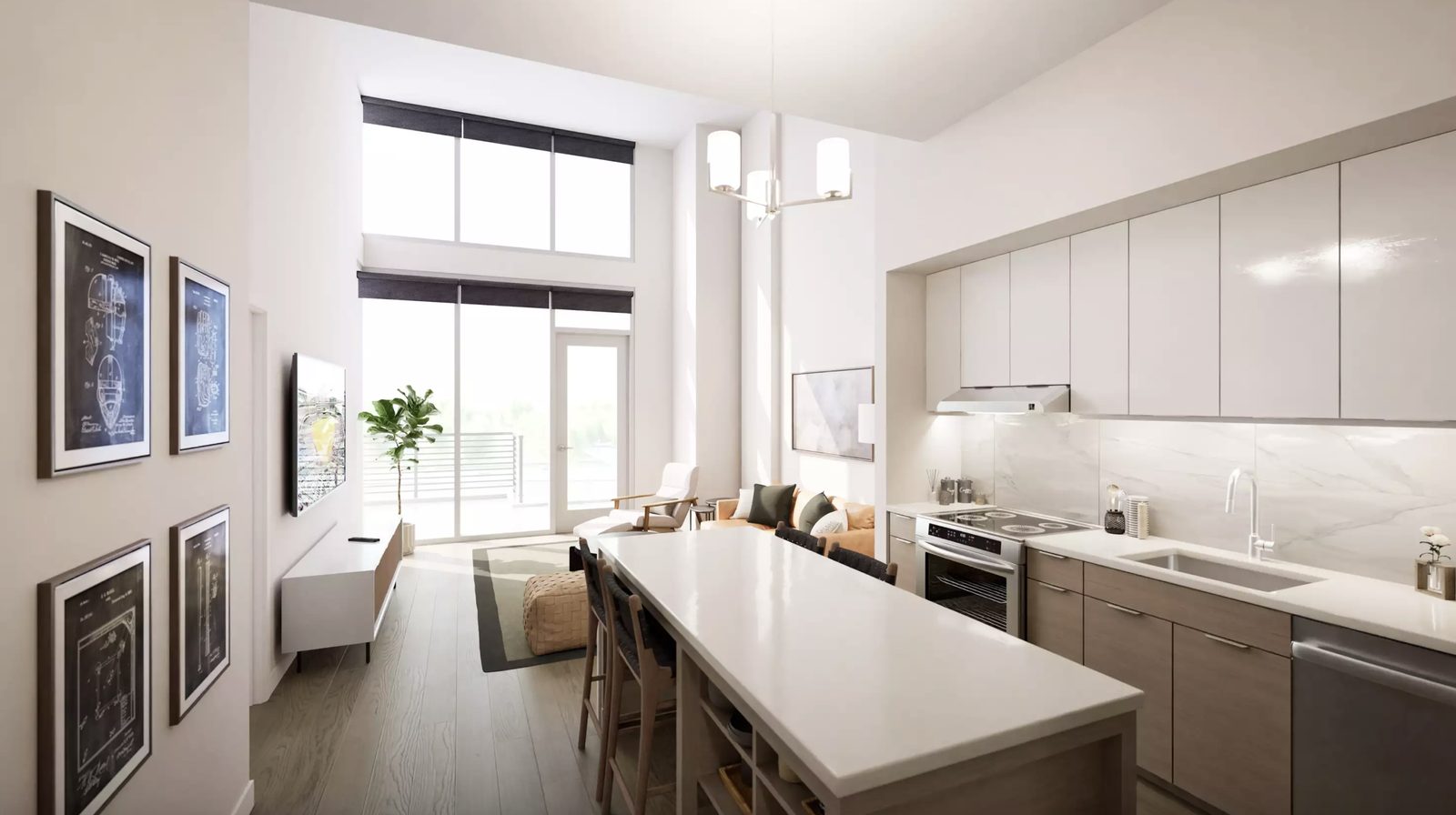
How to be ready for clearance testing
Work complete and cleaned
Removal, HEPA vacuuming, wiping and any antimicrobial in the scope are finished.
Air scrubbers off
Air scrubbers should be off for more than 8 hours before air sampling, so the samples reflect normal conditions. We confirm the timing when we schedule.
Source fixed and drying
The leak, flood or humidity problem behind the mold has been repaired, and materials are dry or drying.
Homes, units and whole buildings
Homeowners
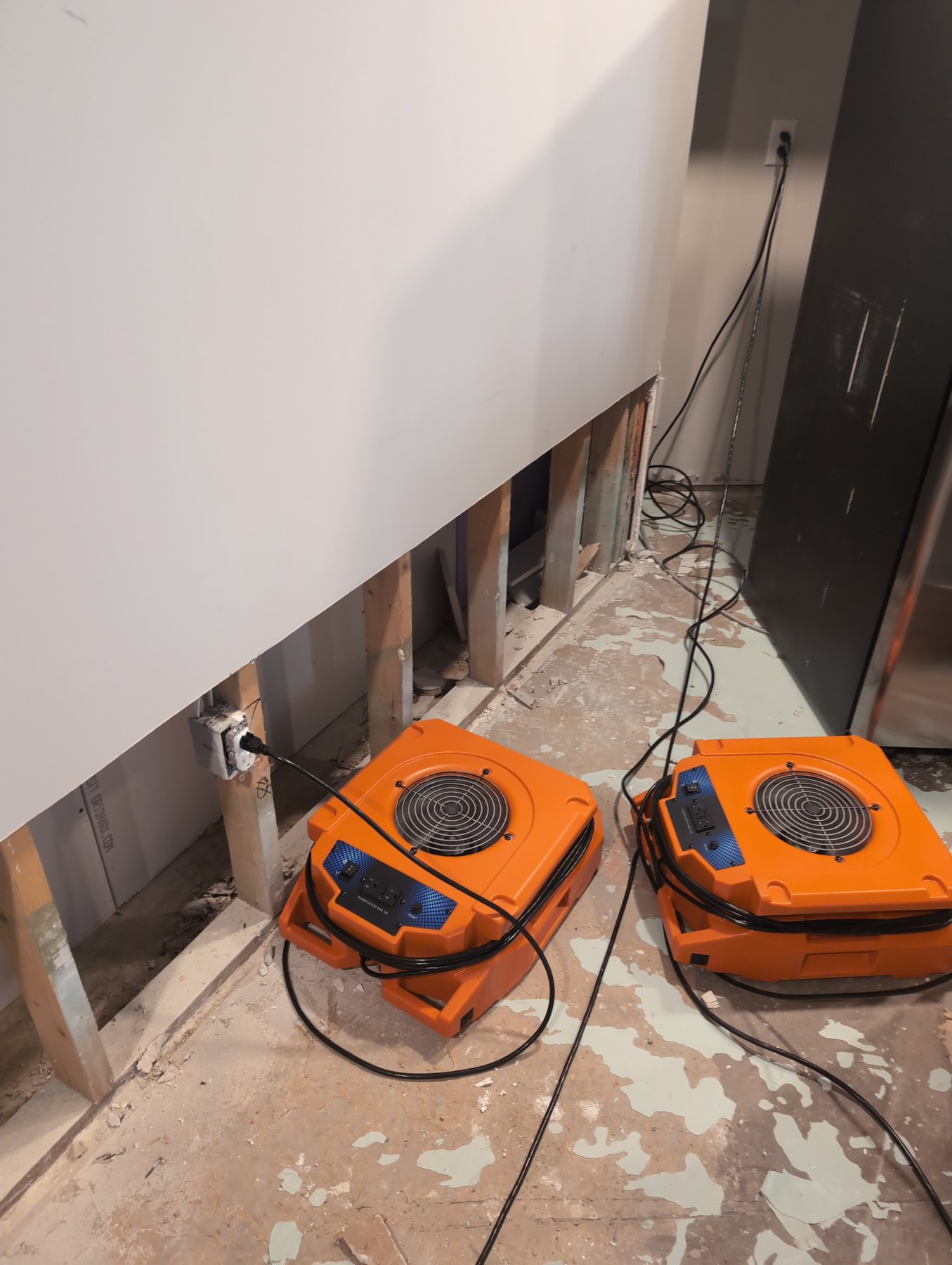
After a basement, bathroom or water-loss remediation, before the drywall goes back and before your family moves back in.
Contractors and adjusters
Third-party clearance that closes out the job file, written to be read by insurers and property owners.
Property managers and builders
Unit-by-unit and building-wide clearance for multifamily, hotels and new construction, scheduled around your turnover.
Before you book
Do you need to have done the original inspection?
No. We verify remediation done by any contractor. If there is an earlier report or remediation scope, send it and we will check the work against it.
When should the PRV happen?
After the remediation contractor has finished removal and cleaning, and before any new drywall, insulation or flooring goes in.
What happens if it does not pass?
The report lists exactly what still needs attention. Once the contractor corrects it, we return and resample that area.
Do you do the remediation?
No. We only inspect, test and verify. That is why our clearance means something.
Do you verify asbestos abatement too?
Yes, with a different method. Asbestos work is checked by visual inspection and air samples analyzed for fibers. See asbestos inspection and asbestos air monitoring and clearance.
Clearance testing across the DMV
Mileage applies outside the core area. Commercial and multifamily work is quoted per project. Need the first inspection? See mold inspection.
Remediation almost done? Book the clearance now.
Weekdays 8 to 5. Tell us what was remediated and when the contractor expects to finish, and we will schedule the verification and quote it on the call.