Indoor Air Quality and VOC Testing in DC, Maryland and Virginia
Odors you cannot place, headaches that go away when you leave, a new build that smells like chemicals, soot after a furnace puff-back. We measure what is in the air, find the source and tell you what to do about it.
The right method for the question you are asking.
Mold spores in the air
Non-viable spore trap sampling compared to an outdoor control. The first test when there is a musty odor and nothing visible.
Volatile organic compounds (VOCs)
Evacuated canister sampling analyzed by EPA Method TO-15 for a speciated list of compounds, used for chemical odors, new construction and spray foam concerns.
Formaldehyde
Targeted sampling for new cabinetry, flooring and furniture off-gassing.
Combustion by-products and soot
Surface sampling for char, soot and ash after a furnace puff-back, fire or candle soot event, to define the cleaning scope.
HVAC and ductwork
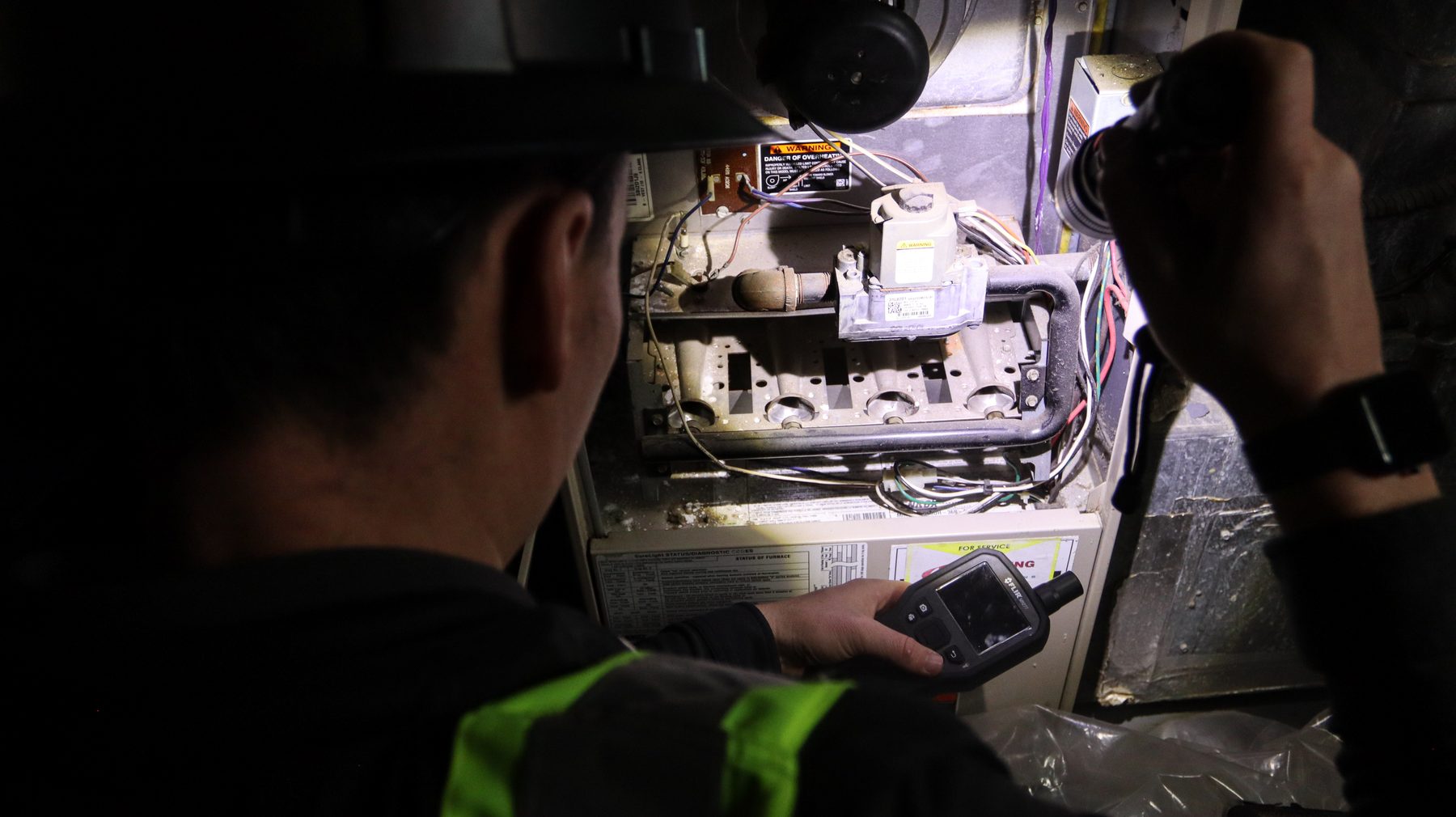
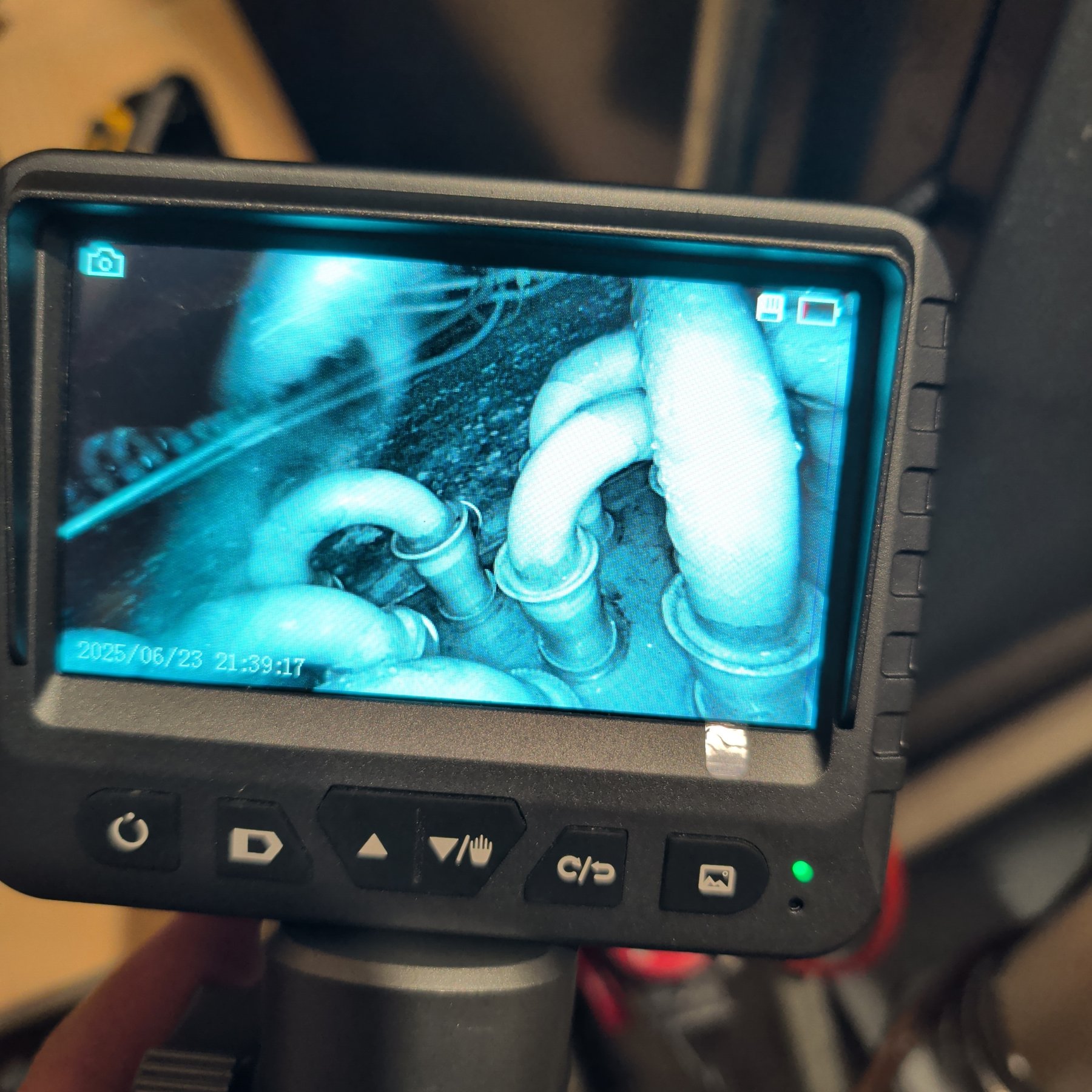
Interior inspection of the air handler and ducts with surface samples where growth is suspected, and humidity performance of the system.
Humidity, temperature and ventilation
Psychrometric readings and dew point throughout the building, because most indoor air problems are moisture problems first.
Interpretation by an industrial hygienist, not a printout.
A lab report lists numbers. Our report tells you which ones matter in your building, where they are coming from and what fixes them. Results are interpreted against outdoor conditions, published guidance and the history of the space.
- Sampling plans designed around your complaint, not a one-size package.
- Accredited laboratories and chain of custody on every sample.
- Plain-English recommendations: source removal, ventilation, cleaning, or further investigation.
Describe the odor or the symptom. We will design the test.
Weekdays 9 to 5. Residential and commercial, including tenant complaints and post-construction turnover.