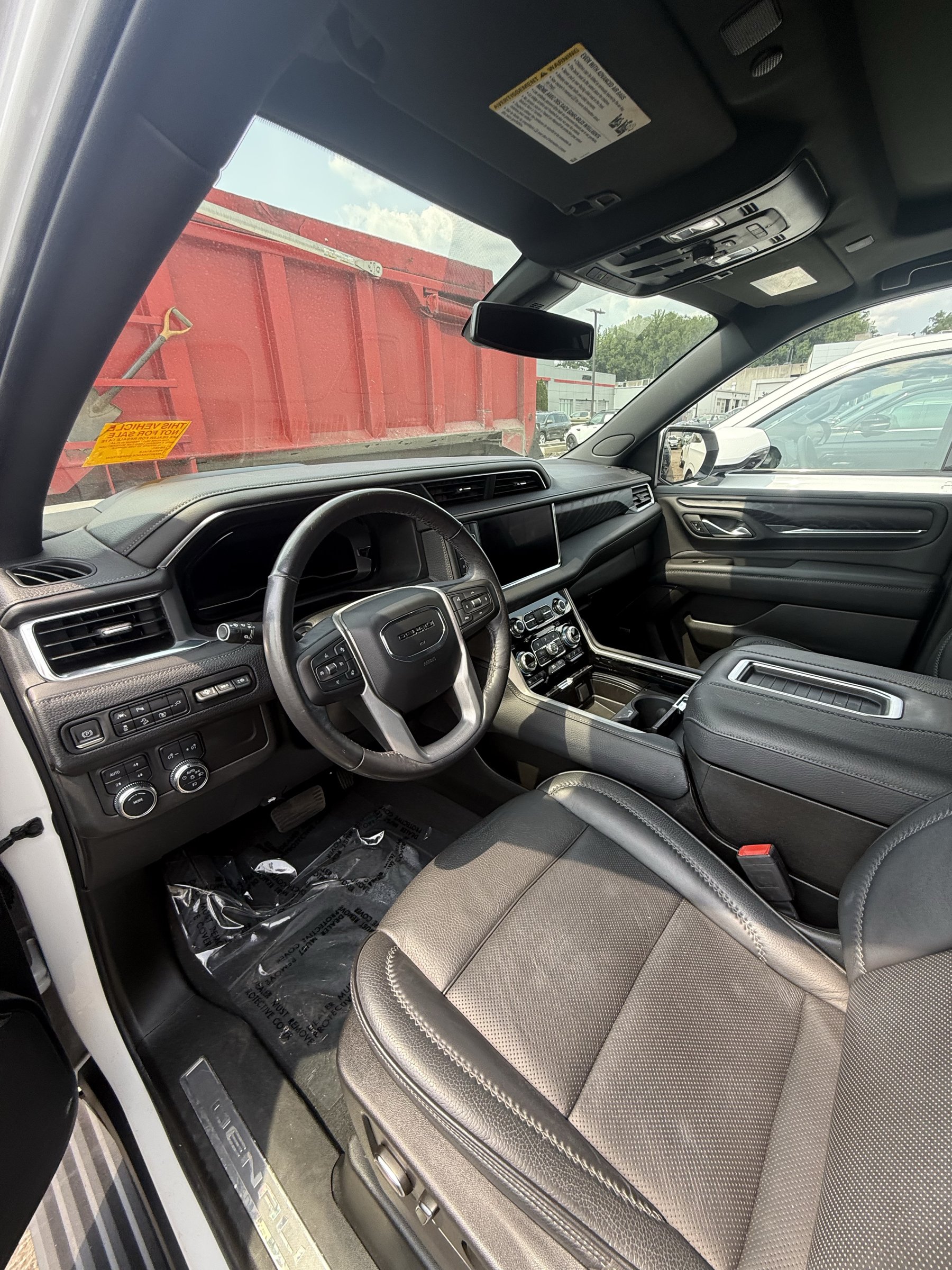
Vehicle Odor and VOC Air Testing in DC, Maryland and Virginia
A strong chemical smell after mold remediation or detailing, a musty smell after water got in, smoke that will not go away. We sample the air inside the closed cabin and give you a written report you can share with a dealership or an insurer.
A car cabin is a small, closed space.
Odors build up quickly with the doors shut, and the smell often points to what to test for.
Chemical smell after treatment
After mold remediation, odor treatment or detailing, a solvent or chemical smell that does not fade. Usually VOCs from the products used.
Musty smell after water
A leak at a seal, a sunroof drain, a flood or a spill soaked the carpet or padding. A musty smell can mean moisture or growth under the trim.
Smoke odor
From a previous owner, a fire nearby or an engine compartment problem. Residue can stay in the headliner, the seats and the ventilation system.
Sample the cabin air. Look for the source.
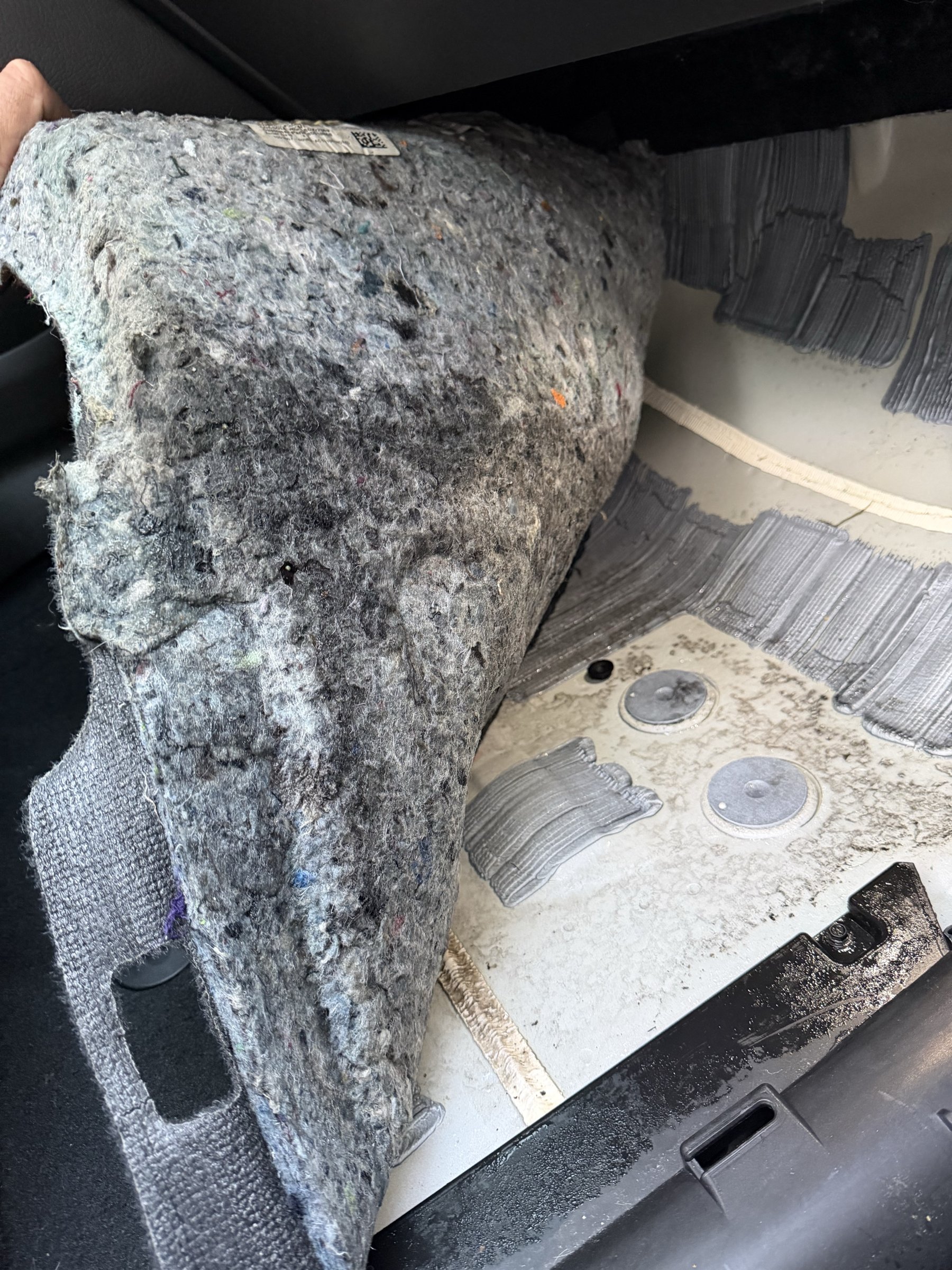
We plan the sampling on the call, based on the smell, the history and what has been done to the vehicle. On one vehicle we found mold growth in the carpet padding after water got in. The carpet was later replaced and the cabin cleaned.
- VOC air sampling inside the closed cabin in an EPA Method TO-15 canister. The lab reports a speciated list of compounds.
- Spore trap air sampling inside the cabin for musty smells, compared against an outdoor control taken the same day.
- Swab sampling of suspect growth on seats, carpet, belts and trim, sent to the lab to identify what it is.
- Moisture testing of carpet, padding and the floor under them, plus a check for water entry at door and window seals, the sunroof and the trunk.
- A look for visible growth under the carpet and behind trim panels where we can reach, with photos.
A written report you can share.
Findings
What we observed in the vehicle, with photos and moisture readings.
Lab results in plain English
The compounds the lab found, which ones are tied to cleaning or treatment products, and how the cabin mold results compare to the outdoor control.
Next steps
What to ask the dealership, detailer or remediation contractor, and when retesting would help. The report is written so a dealership or insurer can read it.
Facts about the air, not a verdict.
We are clear up front about what testing can and cannot tell you.
- We are not physicians. We report what is in the cabin air. If anyone has symptoms, share the report with a doctor.
- We are not mechanics. If the evidence points to the engine, the exhaust or the heater core, we tell you and refer you to a repair shop.
- We do not clean or treat vehicles, so we have no stake in the work that follows.
- Exhaust or fuel smell inside the cabin? Stop driving the vehicle and have it checked by a mechanic first.
When the smell is in the house.
Before you book.
Can you test the air inside a car?
Yes. We collect air samples inside the closed cabin: a TO-15 canister for VOCs, and spore trap samples for mold with an outdoor control. The vehicle stays parked with the doors closed during sampling. A canister can sample for about 8 to 24 hours, and 24 hours gives the best result.
The car smells like chemicals after mold remediation. What is it?
Often it is the products used, such as cleaners, antimicrobials, deodorizers or coatings. A TO-15 sample gives a speciated list of compounds in the cabin air, and we explain which ones are commonly associated with those products. If you can get the names of the products used, bring them; it helps us read the results.
Water got into my car. Do I need mold testing?
Start with the moisture. If the carpet or padding is still wet, the first step is drying or replacement, not a test. If the smell stays after drying, an inspection and cabin air sample show whether growth is likely still there.
Can I give the report to the dealership or my insurer?
Yes. The report is yours to share. It records what we observed and what the lab found, with photos and the lab results attached. We do not take sides or give legal opinions.
Where does the testing happen?
Wherever the vehicle is parked, at your home or another location within our service area in DC, Maryland and Northern Virginia. We need the vehicle for the length of the sampling, and an outdoor spot nearby for the control sample.
How soon will I have results?
Spore trap results usually come back quickly, and the report follows within two business days of receiving the lab results. TO-15 canisters follow the laboratory's timeline, and we give you that before we sample.
Describe the smell. We will plan the sampling.
Weekdays 8 to 5. Tell us what happened to the vehicle and what was done to it, and we will quote it on the call.