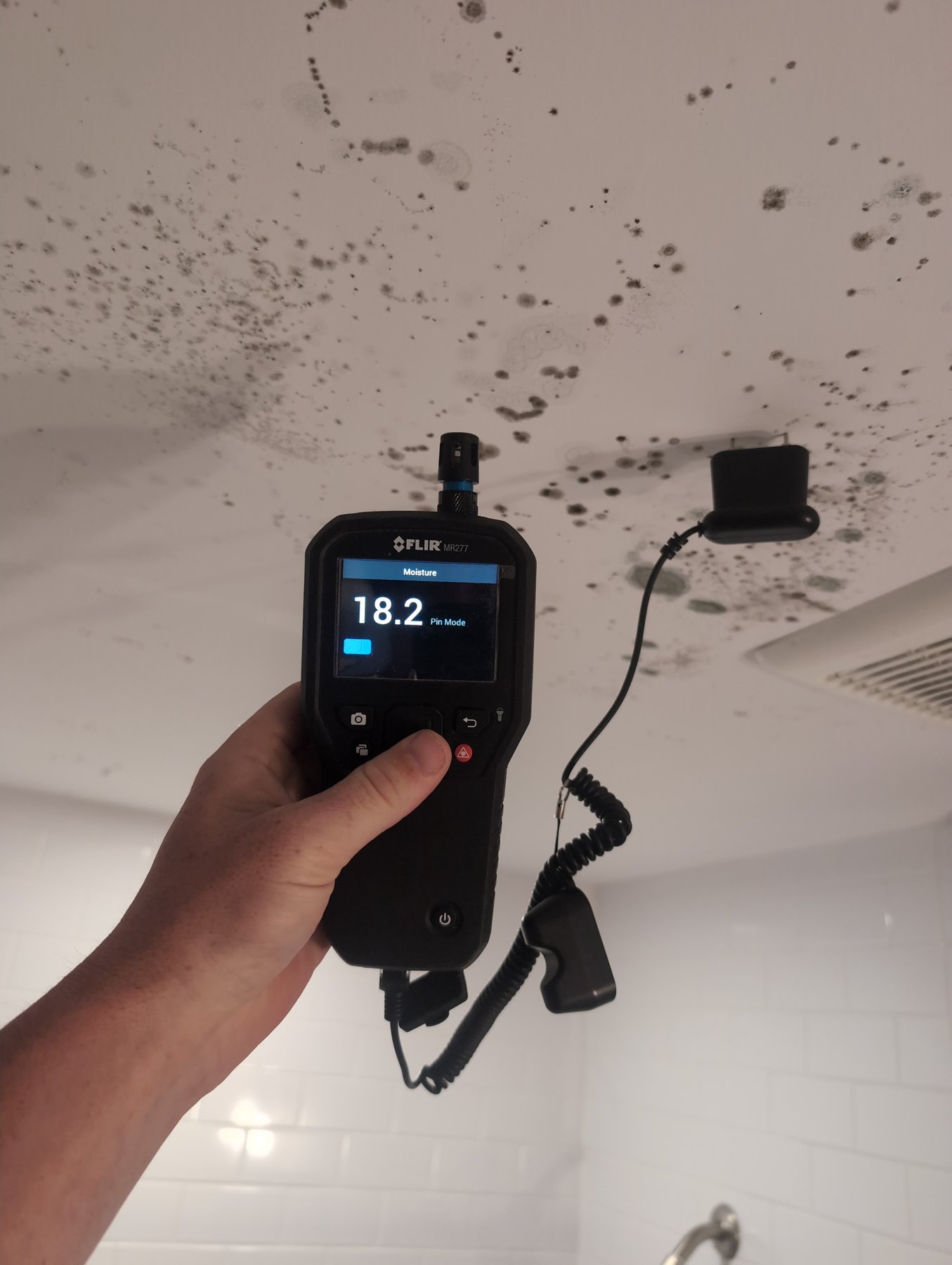
Independent Mold Testing for Tenants in DC, Maryland and Virginia
You smell something musty, you see spots on the wall, and the building says it is fine. We inspect your unit, test what the evidence points to, and give you a written report you can share with your landlord, property manager or attorney.
You want an answer from someone with no stake in it.
We work for the person who hires us. We do not own buildings, manage them or sell the repair.
The building says it is fine
Maintenance painted over a stain or changed a filter, and the smell or the spots came back. An independent inspection shows whether moisture or growth is still there.
Remediation is planned
Management has a contractor scheduled. A report before the work starts records the conditions in your unit, so there is a baseline to compare against afterward.
You need documentation
Photos, moisture readings, lab results and a moisture map in one dated report, written in plain language for a landlord, property manager or attorney to read.
Find the moisture first. Then test.
The visit starts with the history on the phone: when it started, which rooms, any leaks or repairs, and what management has done so far.
- Visual inspection of each room of concern, with photos of every finding.
- Thermal camera and moisture meters to find wet drywall, flooring and framing behind finishes without opening walls.
- A moisture map of the unit, drawn on site, showing where readings were normal and where they were elevated.
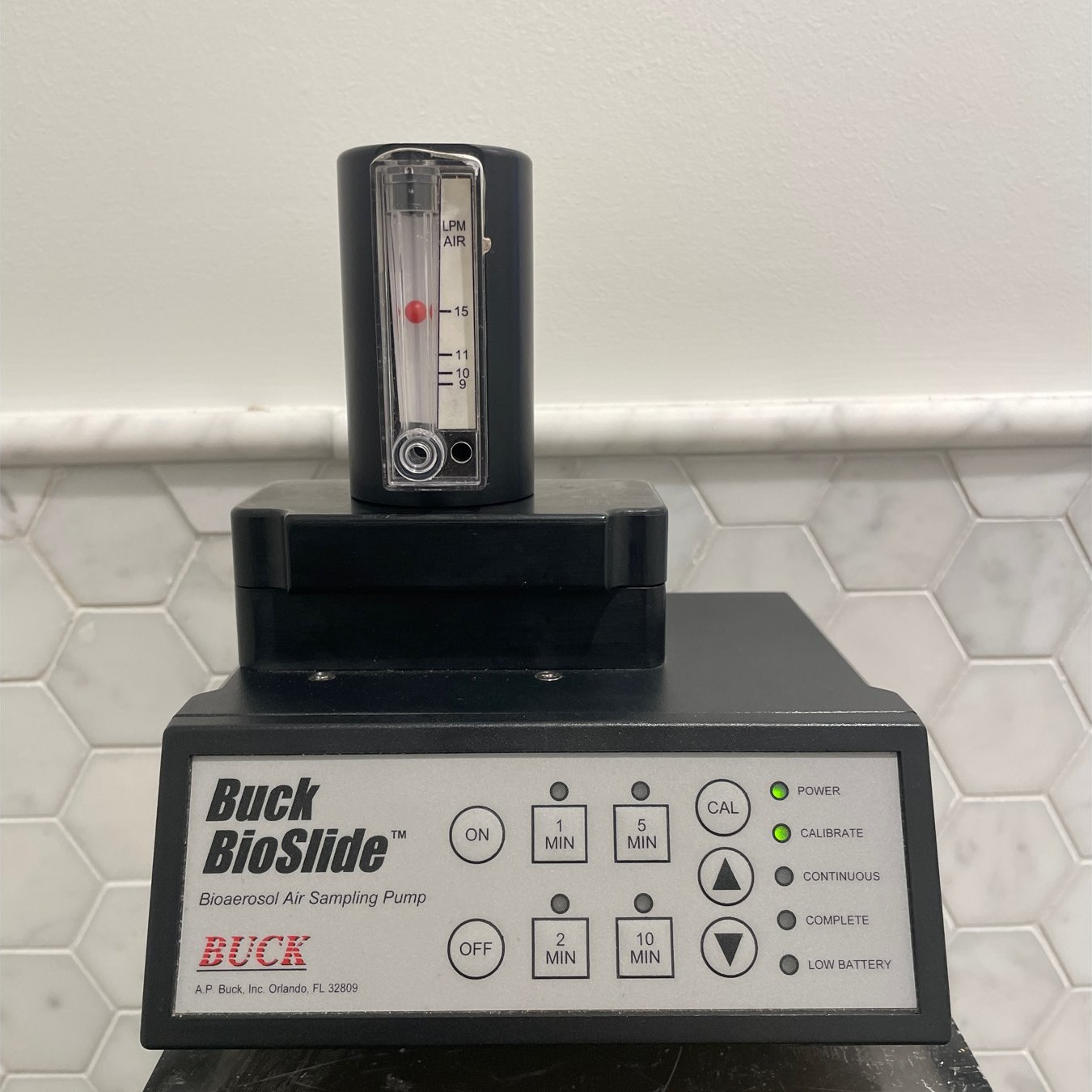
- Air samples indoors against an outdoor control, and surface samples of suspect growth, when the walkthrough points to them.
- Humidity and dew point readings room by room, because condensation is a common cause in apartments.
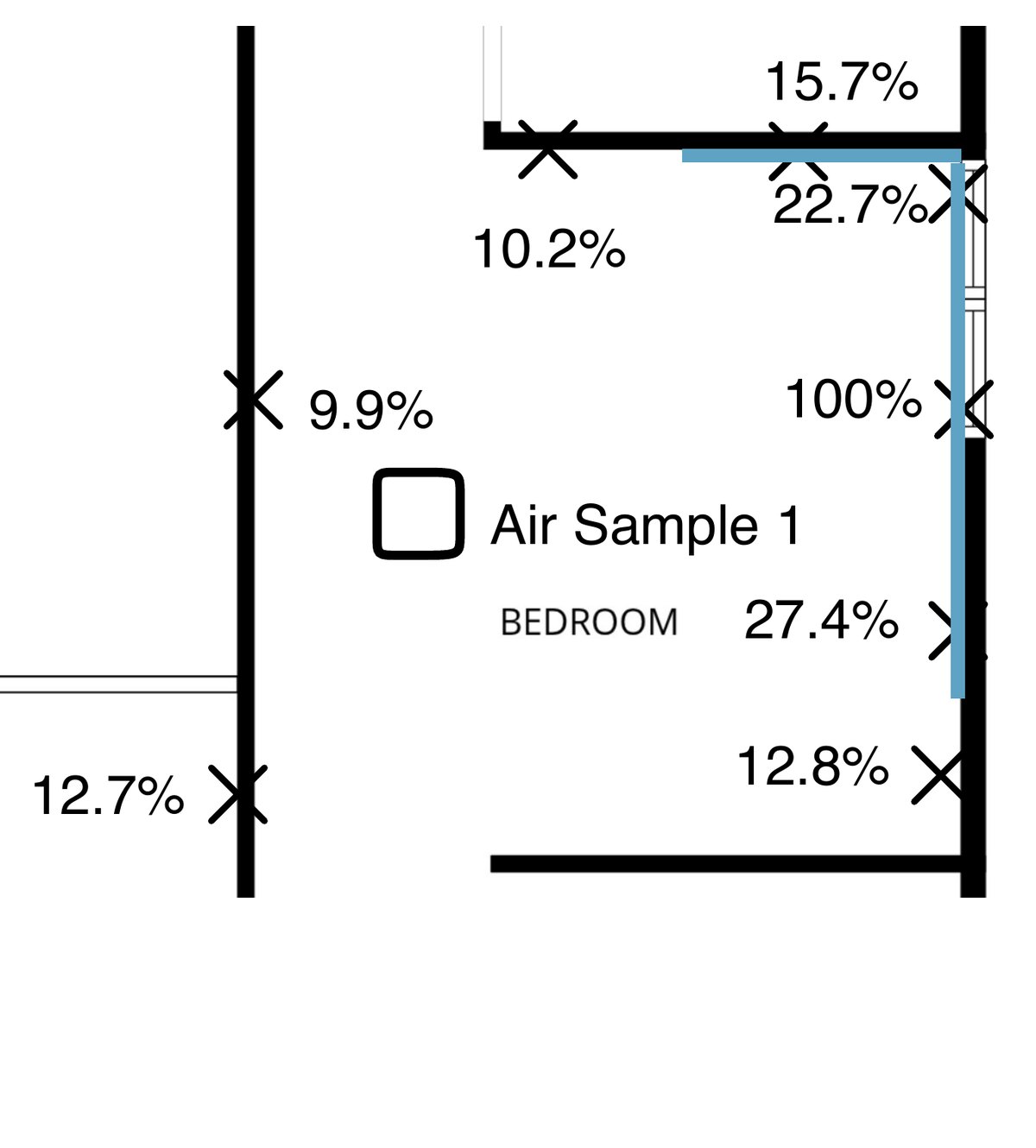
A written report you can share.
Findings
What we saw and measured, room by room, with photos, readings and the moisture map.
Lab results in plain English
Every sample result, what it means for your unit, and how the indoor air compares to the outdoor control.
Recommendations
What should be repaired, dried or removed, and what to check after the work. It reads the same whether your landlord, a property manager or an attorney opens it.
Clear limits, stated up front.
You will know before the visit what we can reach and what the report will cover.
- Areas the building controls. Mechanical rooms, roofs, other units and common areas need management's permission. When access is denied, the report lists the areas not inspected and the reason.
- Legal advice. We are not attorneys. We document conditions; your attorney or local tenant office can tell you what they mean for your lease.
- Health judgments. We are not physicians. If anyone has symptoms, share the report with a doctor.
- The repair. We do not sell remediation, so nothing in the report is a sales pitch.
We work with owners too.
The same independent inspection helps a landlord answer a tenant complaint with facts. Owners and managers have their own page.
Tenant inspections across the region.
Homes within about an hour of our Silver Spring office, and commercial work anywhere.
Before you book.
Can a tenant hire a mold inspector?
Yes. We inspect inside your unit when you, as the occupant, let us in. Some leases ask tenants to notify management about inspections or visitors. We cannot advise on your lease; an attorney or your local tenant office can.
Will you contact my landlord?
Not unless you ask us to. The report belongs to you, and you decide who receives it. If we need to enter a mechanical room, a common area or a neighboring unit, management has to agree, and you or we can ask them before the visit.
What if management will not open the mechanical room?
We inspect everything you can give us access to, including the walls and ceilings next to the closed area. The report states which areas were not inspected and that access was not provided. If management opens them later, we can come back for those areas.
Remediation is already scheduled. Is it too late?
No. An inspection before the work records the conditions in your unit: where the moisture was, how far the wet material went, and what the samples showed. After remediation, clearance testing checks the work against that baseline.
Can my attorney use the report?
You can share it with anyone you choose. It is a dated record of what we observed and measured, with photos, readings and lab results. We document conditions; we do not take sides or give legal opinions.
How soon will I have results?
Most reports are delivered the next business day after the visit, and no later than two business days after the lab results arrive. We give you the timeline before we sample.
Do you serve my area?
Yes, if you are in Washington DC, Maryland or Northern Virginia. We inspect homes within about an hour of our Silver Spring office.
Tell us what is happening in your unit.
Weekdays 8 to 5. Describe the rooms, the history and what management has done, and we will quote it on the call.