Independent Industrial Hygienist in DC, Maryland and Virginia
An industrial hygienist finds what in a building could make people sick, measures it, and tells you what to do about it. We do that for homes and buildings across the region, and we never sell the cleanup.
What does an industrial hygienist do?
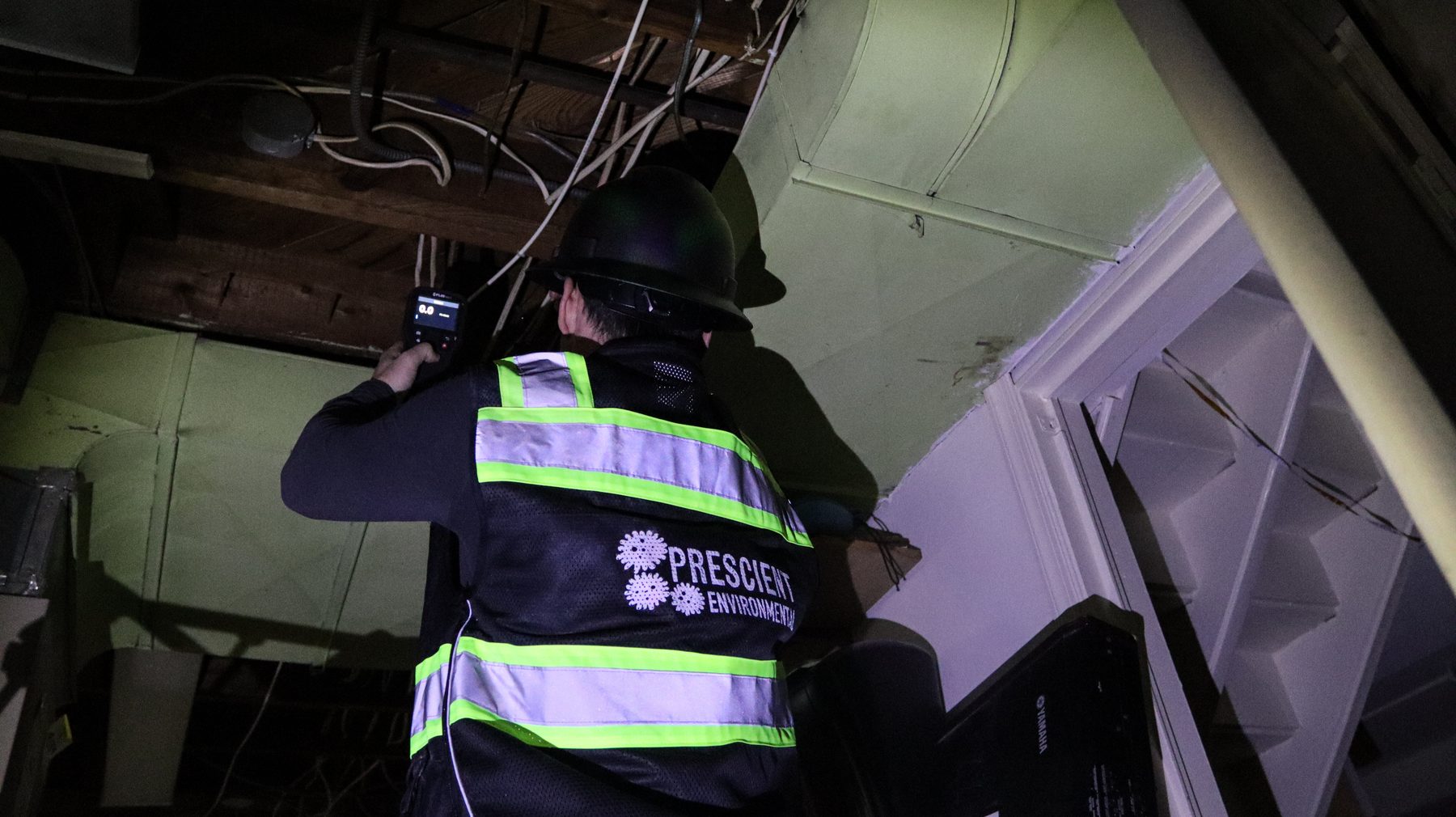
Industrial hygiene is the science of what people breathe and touch indoors. The work follows the same four steps whether the question is mold in a basement or dust on a demolition site.
- Anticipate. Look at the building, its history and what is about to happen to it: a leak, a renovation, a new tenant.
- Recognize. Walk it with meters and a camera and find the likely problems: moisture, growth, suspect materials, odors.
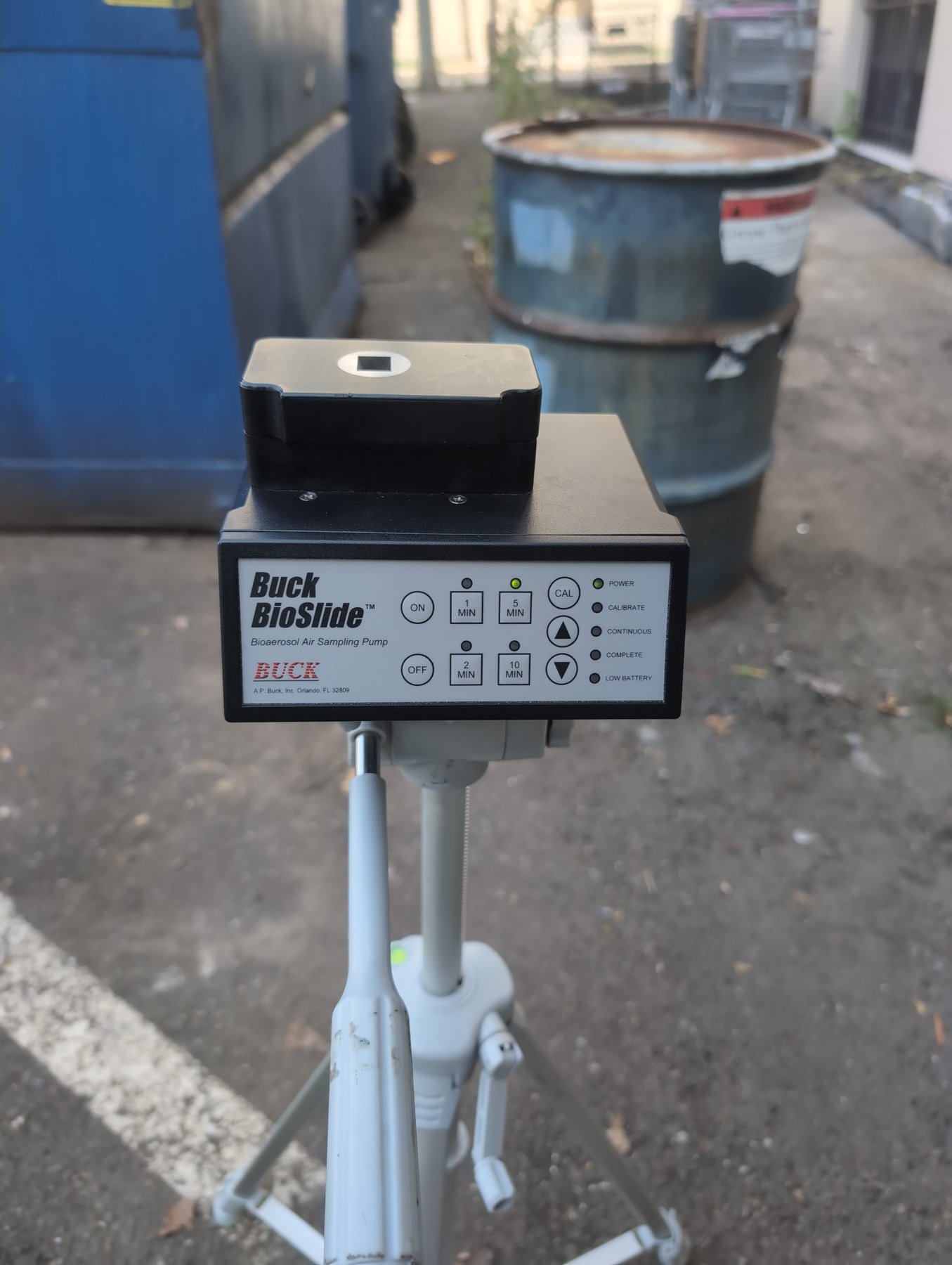
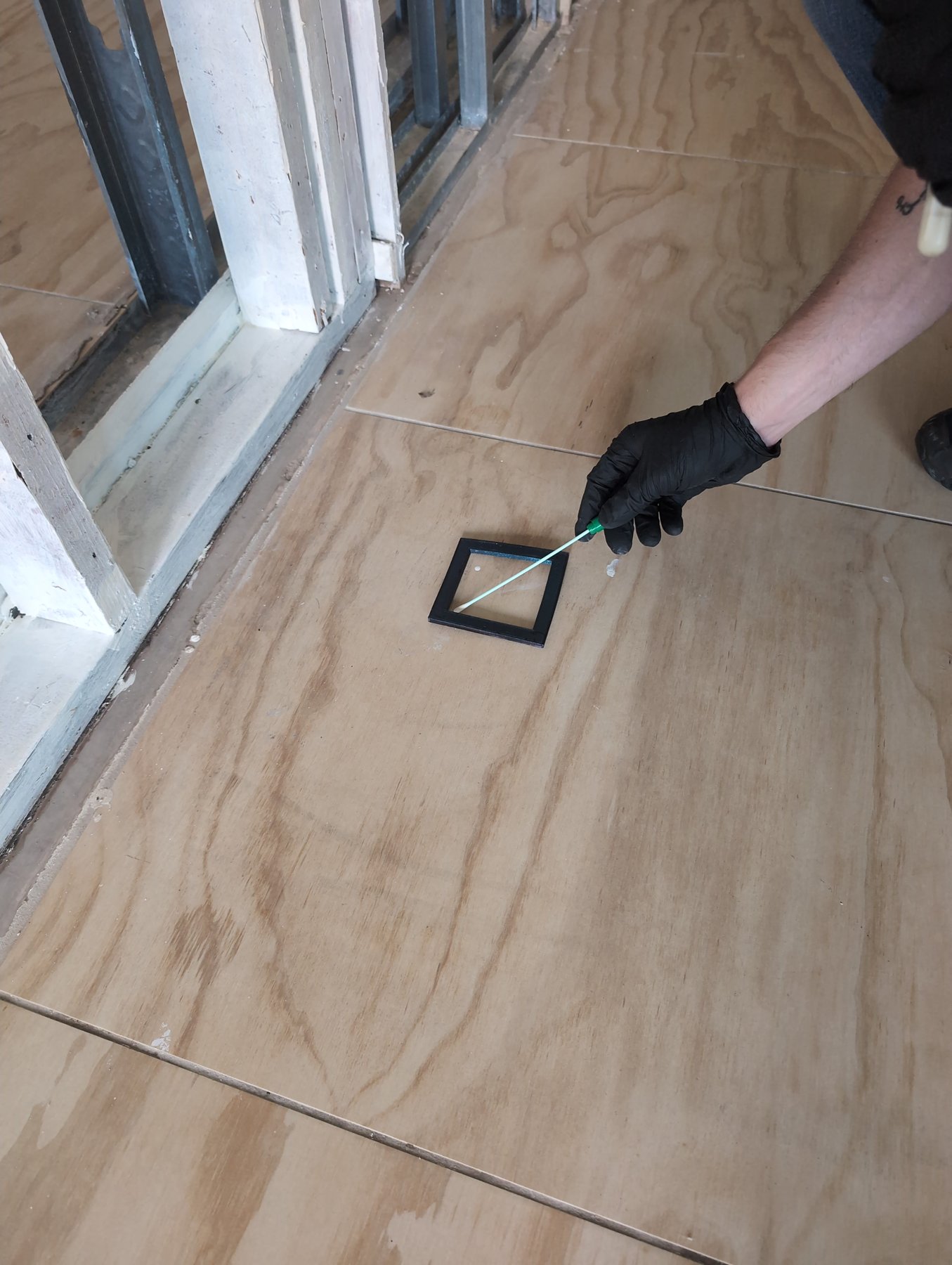
- Evaluate. Take samples and send them to an accredited lab, so the answer is a number, not a guess.
- Recommend. A written report that says what was found, what it means and what to do next, in plain English.
The questions people call an industrial hygienist about.
Asbestos
Sampling before renovation or demolition, then air monitoring and clearance during abatement.
Indoor air quality
VOCs, formaldehyde, humidity and HVAC questions, for odors, new construction and tenant complaints.
Water damage
A moisture map of every wet wall, floor and ceiling, for the insurer and the contractor.
The person testing should not be the person selling the fix.
Some companies test for mold or asbestos and then quote the removal. We only test, measure and report. Your result does not change what we earn, so the report can go to an insurer, a buyer, a landlord or an attorney and hold up.
- Samples analyzed by accredited third-party laboratories, under chain of custody.
- Findings compared to an outdoor control or a published standard, not a sales threshold.
- Recommendations sized to what the data shows. If nothing needs doing, the report says so.
Before you book
When should I call an industrial hygienist instead of a remediation company?
First. A remediation company fixes a problem; an industrial hygienist defines it. Testing first tells you whether there is a problem, how big it is and what the contractor should remove, so you are not paying for work you do not need.
Do you work for homeowners or only businesses?
Both. Most of our work is homes, condos and townhomes. We also work for builders, property managers and hotels.
What credentials do you hold?
Our principal, Greg Michelsen, is a Certified Indoor Environmental Consultant (CIEC), a Virginia DPOR licensed asbestos inspector (#3303004758), a Maryland accredited asbestos inspector and an NRPP certified radon measurement professional.
Do you remove mold or asbestos?
No. We test, write the scope, and verify the work afterward. Removal is done by licensed contractors you hire directly.
How much does it cost?
It depends on the building and the question. Tell us what you are noticing and we will quote it on the call.
Homes within about an hour of Silver Spring, commercial work anywhere
Not sure what to test for?
Tell us what you are seeing or smelling and we will tell you on the call which test answers it. Weekdays 8 to 5.