HVAC and Duct Mold Inspection in DC, Maryland and Virginia
A musty smell when the AC or heat turns on, dark spots around the vents, growth on the coil or the panel insulation. We inspect the system, test what we find, and tell you whether it needs cleaning, replacement or nothing at all.
The system touches every room.
Your home's air passes through the same air handler many times a day, so a problem inside it can show up everywhere at once.
A musty smell when it runs
The smell is strongest when the AC or heat kicks on, and fades when the system is off.
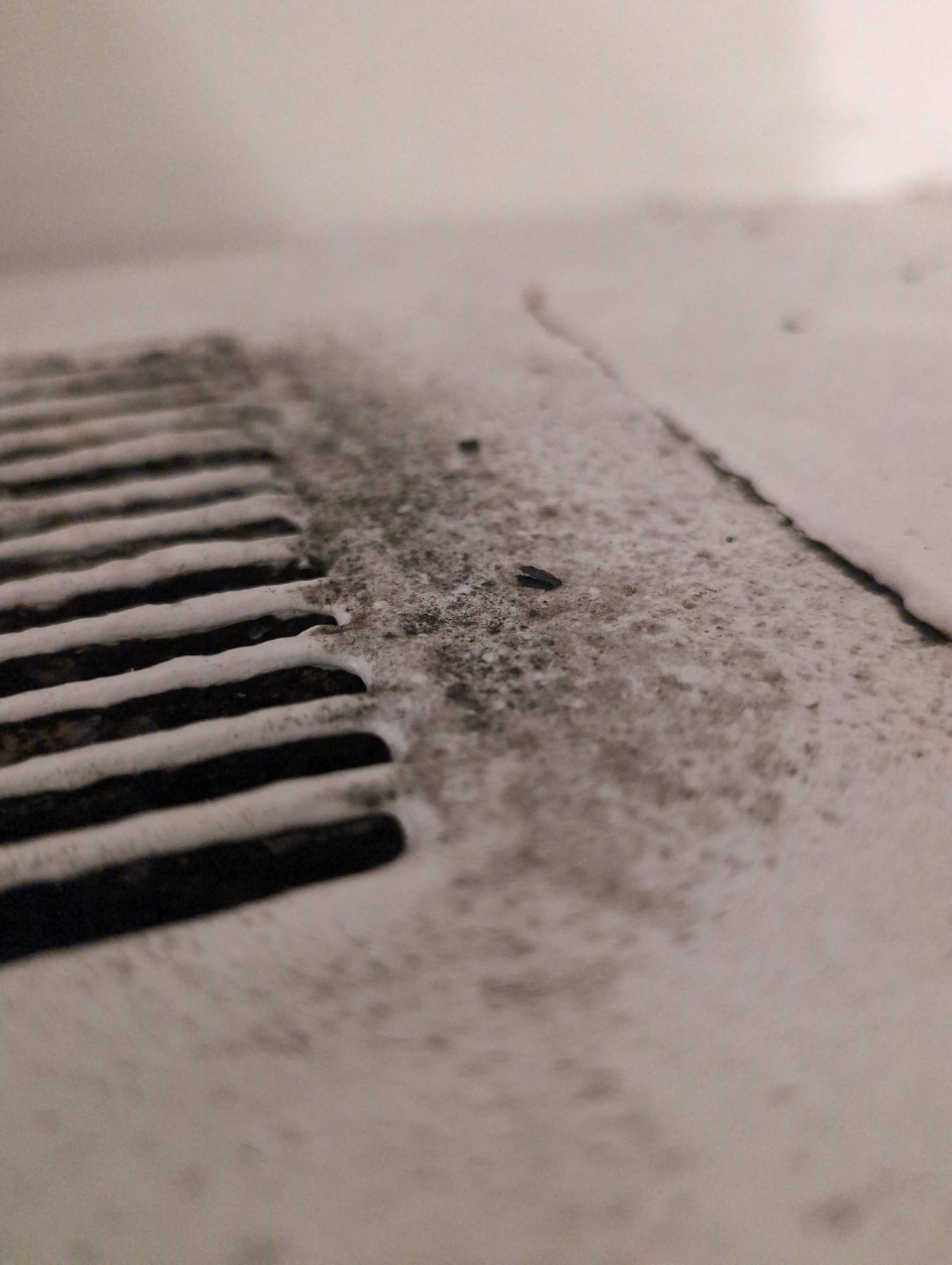
Dark spots around vents
Spotting on a supply register or the ceiling next to it. Sometimes dust, sometimes condensation and growth.
Growth inside the unit
Visible growth on the evaporator coil, the drain pan or the insulation lining the inside of the air handler.
After a leak
A clogged condensate line, an overflowing drain pan, or a roof or plumbing leak near the unit or the ducts.
The whole system, not one vent.
Growth on a register is a sign to look upstream. We follow the air path back through the system.
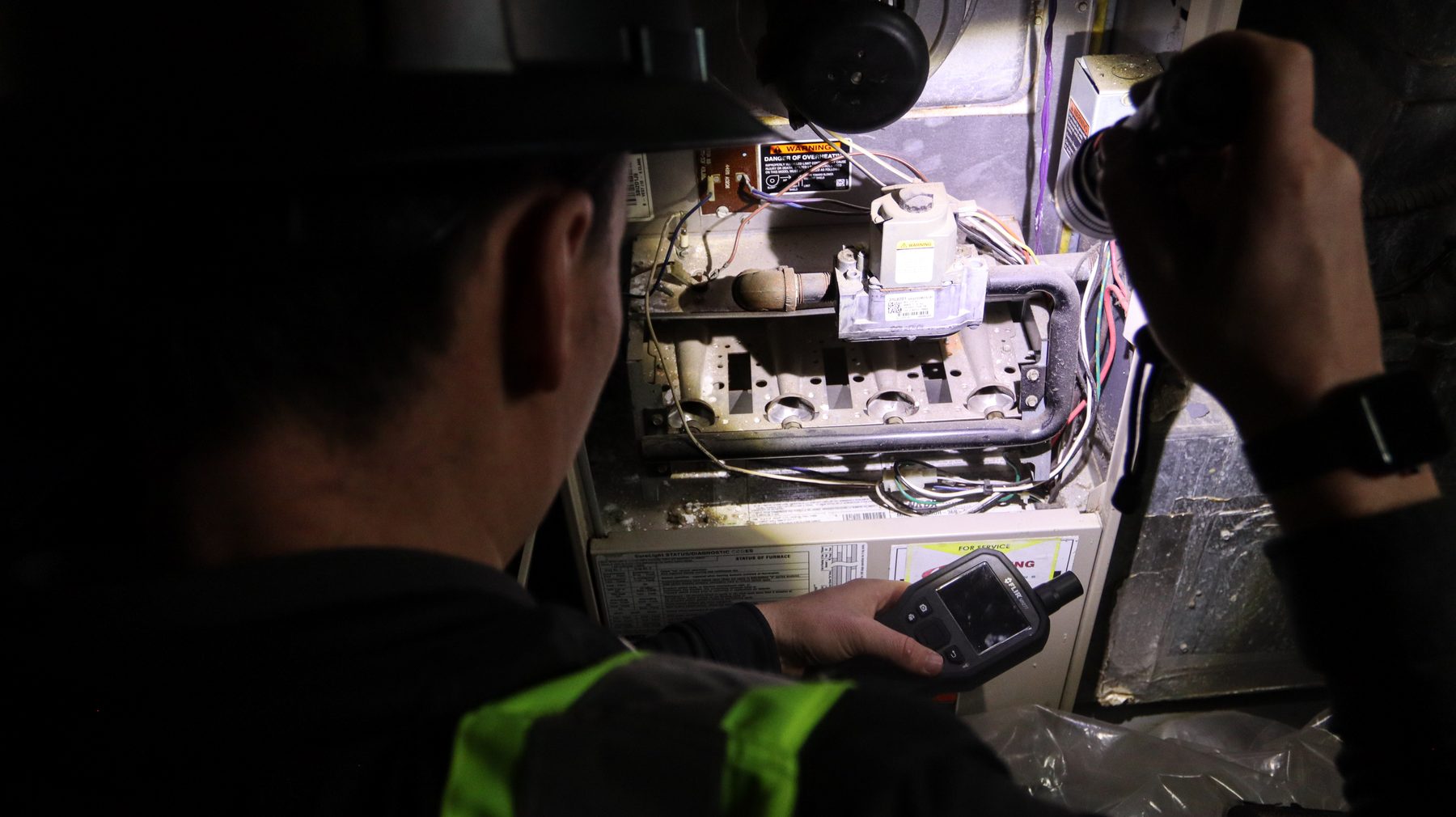
- Air handler and evaporator coil, through the access panels the unit allows.
- Drain pan and condensate line, for standing water, rust, overflow and slow drainage.
- Plenum and internal insulation, the lining inside the unit and the first sections of duct.
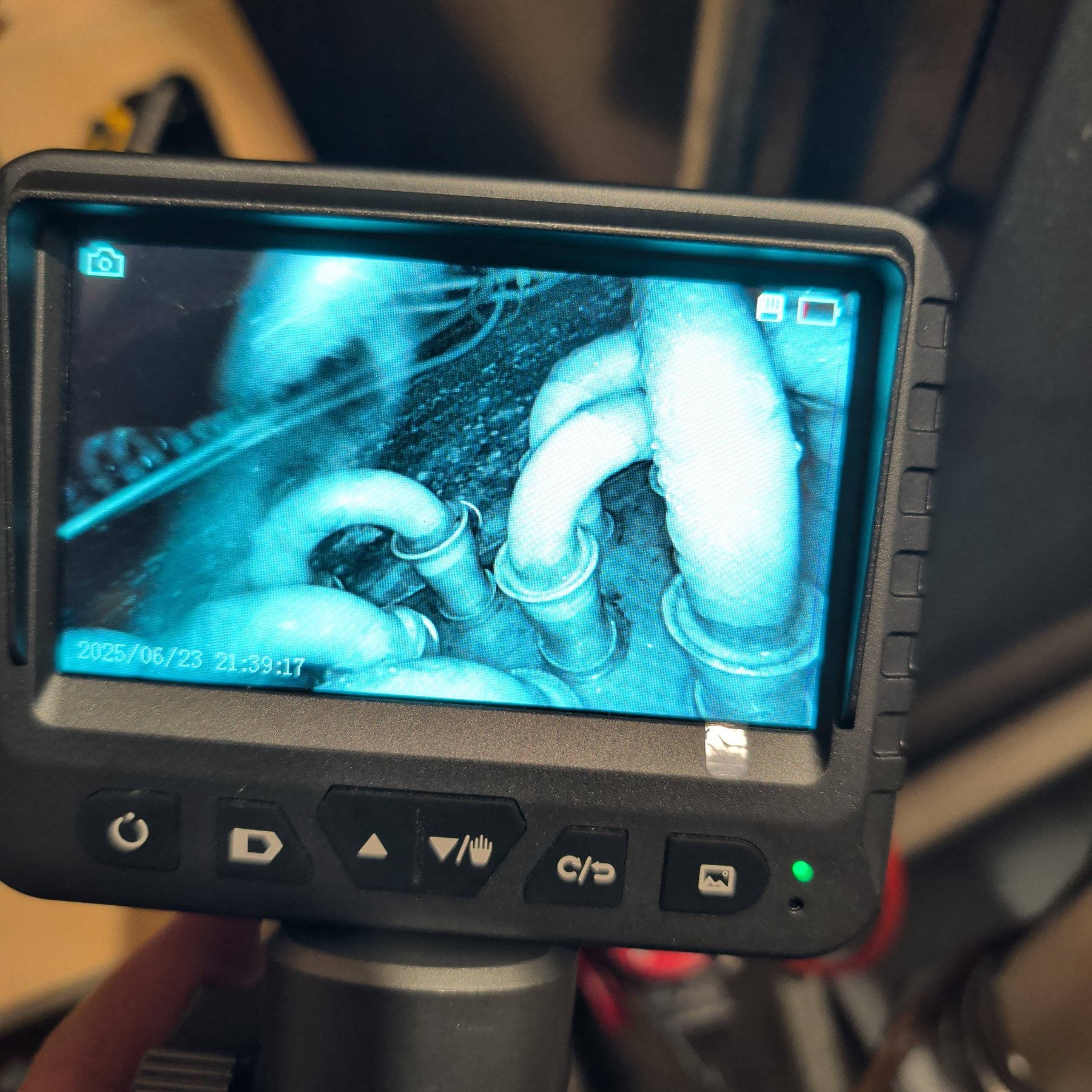
- Accessible ductwork, with a borescope through registers and openings.
- Supply and return vents in the rooms of concern.
- The filter, its size, its fit and how loaded it is.
- Moisture and humidity around the unit and in the rooms it serves, with a thermal camera and meters.
Samples when they answer a question.
Surface samples
Tape or swab samples of suspect growth on the coil, the drain pan, the insulation or a register, to confirm what it is.
Air samples
Spore trap samples in the rooms the system serves, compared against an outdoor control taken the same day.
Chain of custody
Every sample goes to an accredited laboratory with a chain of custody form, and every result appears in the report.
A report that says what the system needs.
Findings with photos, lab results in plain English, and a clear recommendation for each part of the system.
- Cleaning or replacement. Whether the unit and ducts can be cleaned, or whether parts such as moldy internal insulation should be replaced.
- The moisture source. What let water collect, such as a clogged condensate line, a leak or high humidity, so the problem does not come back after cleaning.
- What to ask an HVAC cleaner. Whether they follow the NADCA cleaning standard, whether they clean the air handler and coil and not only the ducts, how they handle internal insulation, and what products, if any, they plan to spray.
- Testing after the work. We can come back and check the cleaned system.
We do not clean ducts.
We do not sell duct cleaning, HVAC repair or remediation, and we do not recommend specific companies. The report is about your system, not a sale.
HVAC mold inspections across the region.
Homes within about an hour of our Silver Spring office, and commercial work anywhere.
Before you book.
Can mold grow inside an HVAC system?
Yes. When the AC runs, the evaporator coil is cold and wet, and the drain pan holds condensate. Dust on those surfaces, or on the insulation lining the unit, can support growth when water collects or drains slowly.
Do I need duct cleaning or a new system?
That is what the inspection answers. Metal ducts and coils can often be cleaned. Porous materials with growth, such as internal fiberglass insulation or flex duct, are often replaced rather than cleaned. The report says which applies to your system.
Do you clean the ducts or recommend a company?
No. We inspect and test only. We tell you what work the system needs and what to ask a NADCA member cleaner, and you choose the contractor.
Is the black on my vents mold?
Sometimes. It can also be dust, soot or dirt pulled onto a cold register by condensation. A surface sample tells you which, and the inspection shows whether it starts at the vent or further inside the system.
Should I turn off the system before you come?
Leave it as you normally run it unless we ask otherwise on the call, so we see the conditions you live with. We are not physicians; if anyone has symptoms, talk to a doctor and share the report with them.
How soon will I have results?
Most reports are delivered the next business day after the visit, and no later than two business days after the lab results arrive.
Tell us what the system is doing.
Weekdays 8 to 5. Describe the smell, the spots or the leak, and we will quote it on the call.