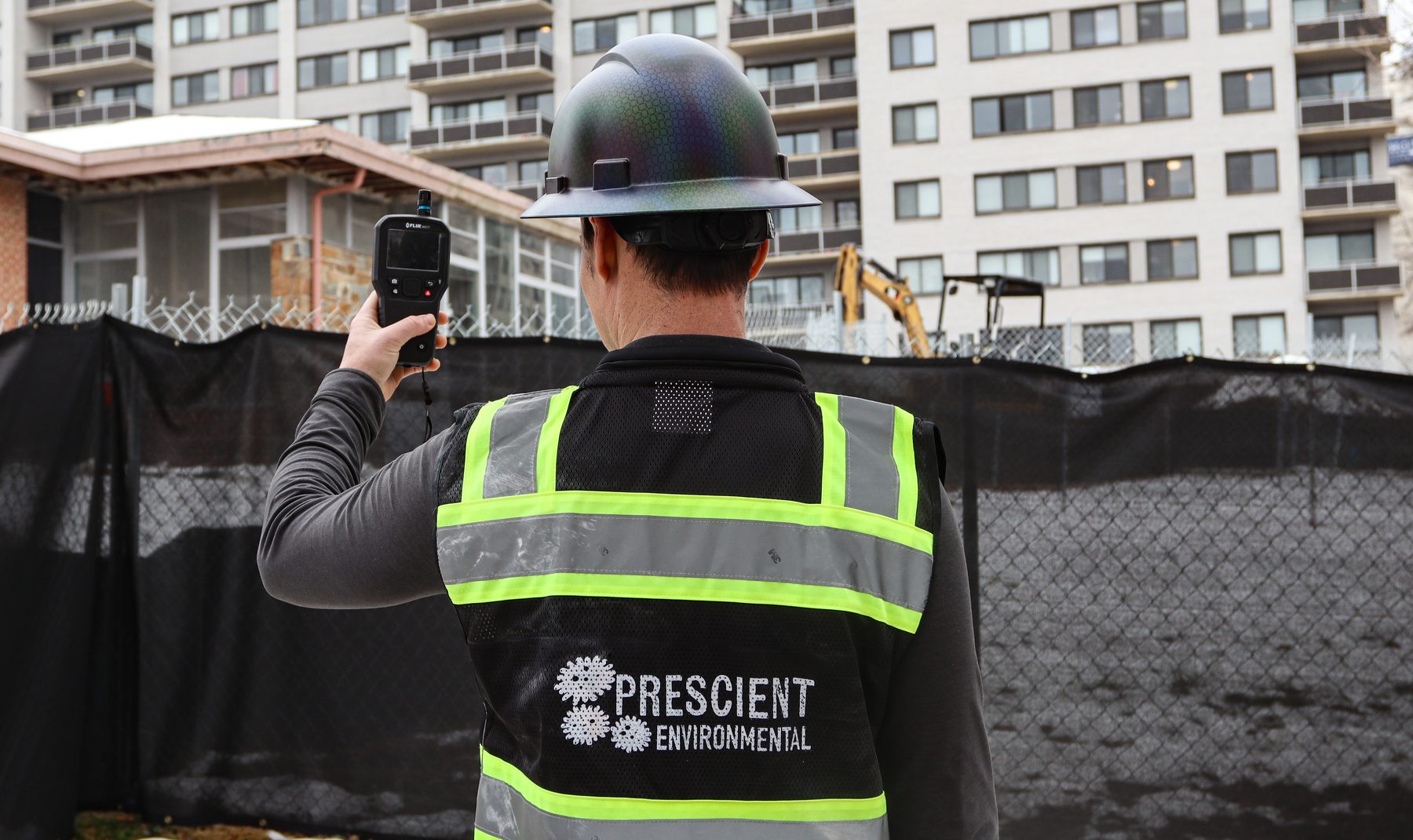
What Does an Asbestos Inspection Look Like?
Step by step, what an asbestos survey involves, which materials get sampled and what you get back.
Know what you have, and what to do about it.
An asbestos inspection identifies asbestos-containing materials in your property, rates their condition and tells you what, if anything, needs to happen next. Renovation surveys, lab analysis and abatement support are covered on our asbestos inspection and testing page.
- Condition and friability. Each suspect material is assessed for damage and how easily it could release fibers.
- Risk ranked. The risk of fiber release sets which actions come first and how urgent they are.
- Clear options. Encapsulation, repair, removal or ongoing monitoring, depending on condition.
- Compliant. Inspections follow federal AHERA requirements plus state and local regulations.
Six steps, start to finish.
Consultation
We learn your concerns, the history of the property and any known or suspected asbestos materials, and tailor the inspection to them.
Site walkthrough
An accredited inspector walks the interior and exterior to identify suspect materials, assessing each by touch for damage and friability.
Bulk sampling
Small pieces of each suspect material, called bulk samples, are collected for the lab.
Laboratory analysis
An NVLAP-accredited lab determines whether asbestos is present and, if so, the type and percentage of fibers.
Risk assessment
We evaluate the condition of any asbestos found and the potential for fiber release.
Report and recommendations
Location and condition of each material, lab results, and recommendations for management or abatement if needed. We walk you through it.
Materials we commonly sample.
Asbestos was used in building materials for insulation and as a fire retardant, and can be found in over 3,000 commercial products.
Friable
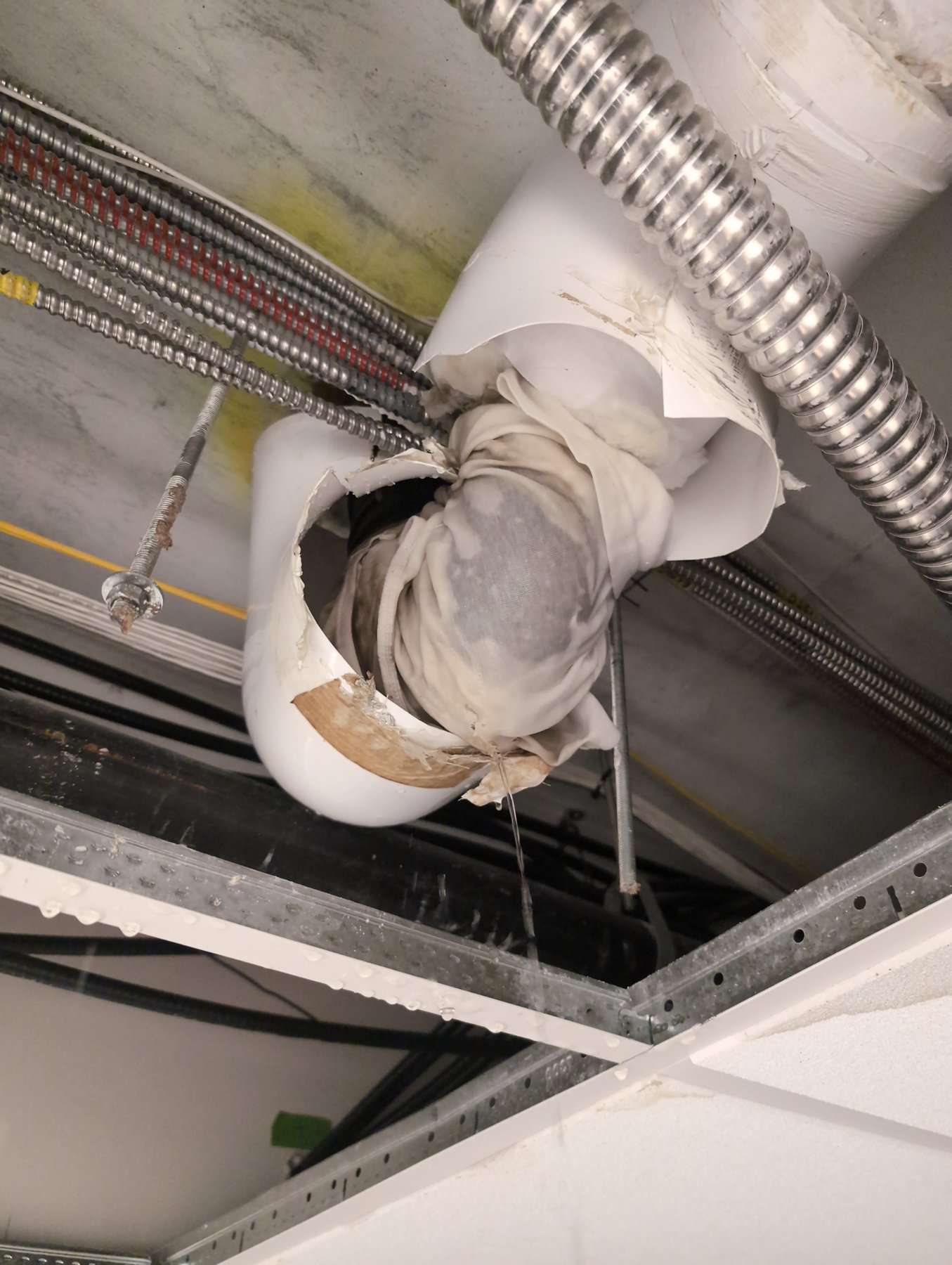
Surfacing materials such as plaster, drywall, joint compound and popcorn ceiling. Thermal system insulation such as pipe insulation, pipe fittings, wire insulation and spray-on fireproofing.
Non-friable
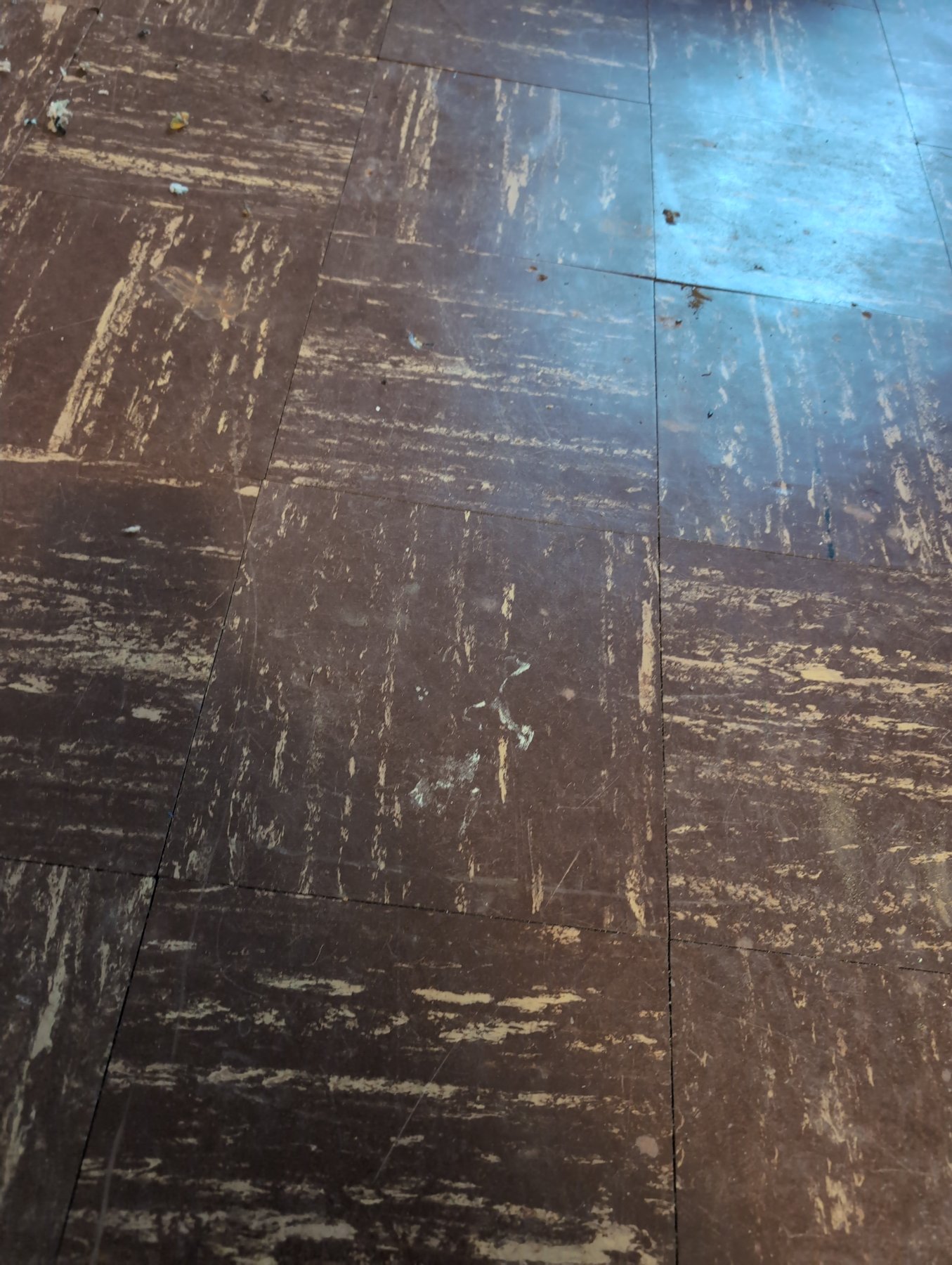
Vinyl floor tiles, gaskets, caulking, asphalt roofing, mastics, HVAC duct insulation, Transite paneling and leveling compound.
Common questions.
What is a bulk sample?
A small piece of a suspect building material, collected by the inspector and sent to the lab to find out whether it contains asbestos.
What happens if asbestos is found?
The report recommends encapsulation, repair, removal or ongoing monitoring, depending on condition. We do not remove asbestos ourselves; removal is done by licensed abatement contractors we can refer you to. During the removal we can provide independent air monitoring and clearance.
Is asbestos dangerous if left alone?
Intact, undisturbed materials in good condition are generally managed in place. The risk comes from disturbance: cutting, sanding, drilling or demolition that releases fibers.
How fast are results?
Standard lab turnaround is a few business days; 24-hour and same-day rush analysis is available when a project is waiting on the answer.
Talk to an industrial hygienist today.
Weekdays 8 to 5. Describe what you need and we will quote it on the call.