Asbestos Dust Testing After a Renovation in DC, Maryland and Virginia
Someone drilled, sanded, scraped or tore out old floor tile, mastic, popcorn ceiling, pipe wrap or joint compound. Now you want to know where the dust went. We sample the material, the settled dust, the HVAC ducts and the air, and give you an independent written report.
If a material that may contain asbestos was disturbed, stop the work first. Keep people out of the area. Do not sweep, and do not use a regular vacuum. Then call us. We test the material, the settled dust, the HVAC and the air, and send a written report within two days of lab results. We never sell abatement.
Did the dust leave the room?
Drilling, sanding and demolition make fine dust. Some of it settles where the work happened. Some can travel on shoes, on air currents and through the HVAC. Testing shows where it went.
- Start with the material. If the floor tile, mastic or ceiling was never tested, a bulk sample answers whether it contains asbestos at all.
- Then follow the dust. We sample the work area and the places dust could reach: carpet, other rooms and the ductwork.
- Either answer. Sometimes the results point to cleaning in a few areas. Sometimes they do not. The report states what was found.
A walkthrough, samples and a report.
The phone call
The call is free. Tell us what was disturbed, how, when, and what has been cleaned or moved since.
Visual assessment
An accredited inspector looks at the work area, the HVAC, carpeted areas and other rooms for settled dust and debris.
Sampling
Sample types, locations and numbers are set on site, based on what was disturbed and where dust could have spread.
Lab and report
Samples go to an accredited laboratory under chain of custody. Your written report follows within two days of the lab results.
The material, the dust and the air.
The disturbed material
If it was never tested, a bulk sample of the tile, mastic, ceiling texture or other material shows whether it contains asbestos.
Settled dust
Microvacuum samples from carpet and wipe samples from hard surfaces, analyzed by transmission electron microscopy (TEM).
HVAC ducts
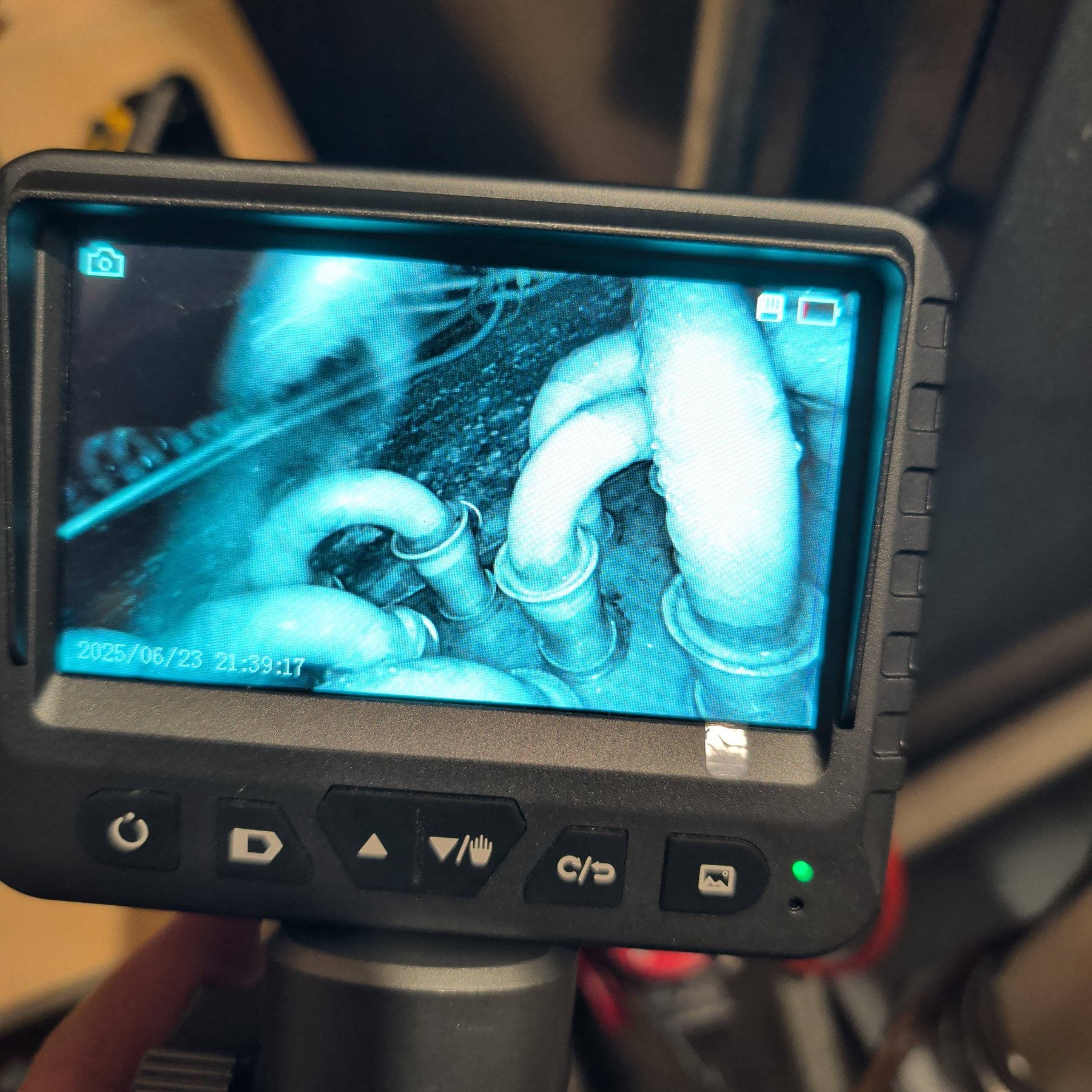
Dust samples from accessible supply and return ductwork and HVAC components, also analyzed by TEM.
Air
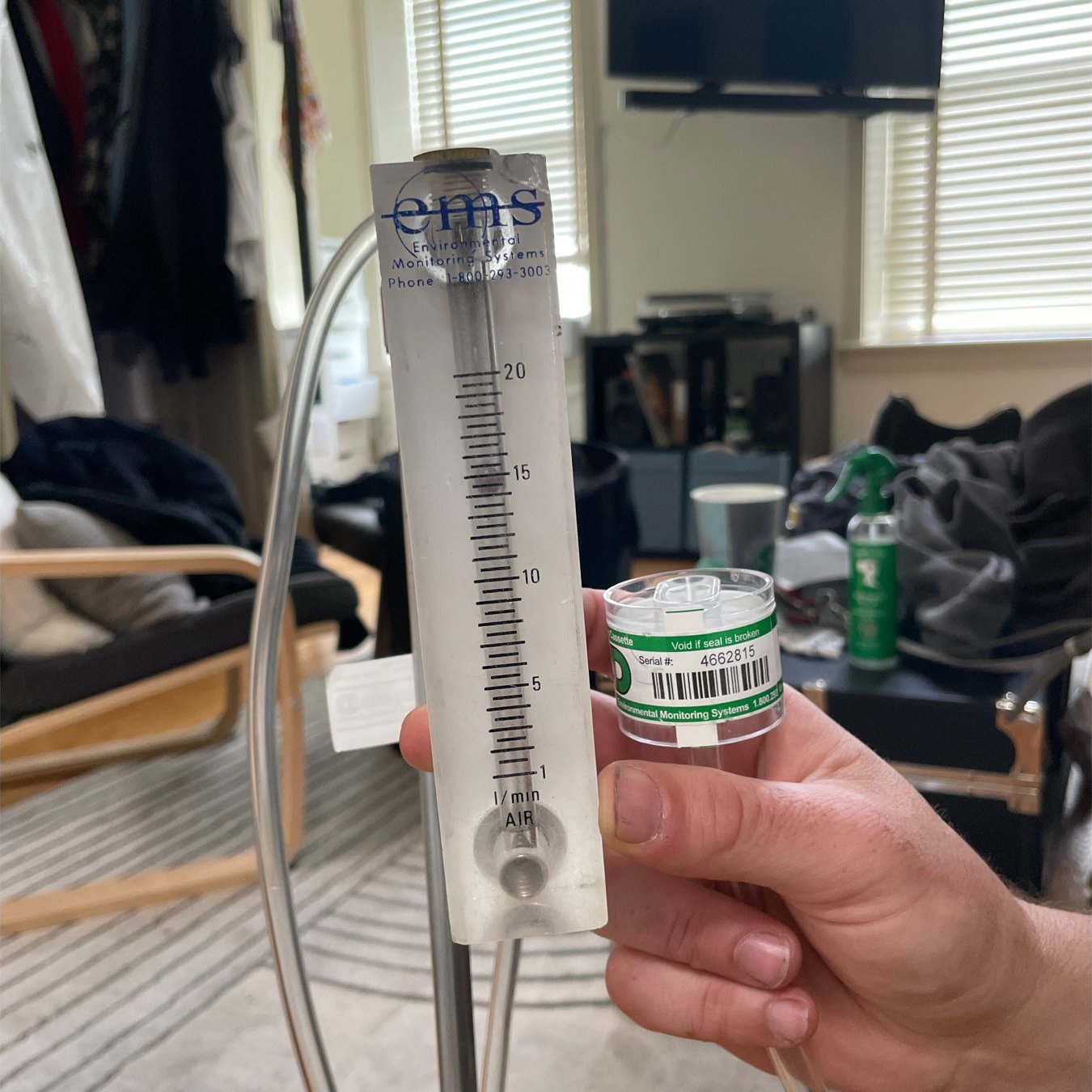
Air samples analyzed by phase contrast microscopy (PCM), which counts the airborne fibers on each cassette.
Where the dust is, and what to do next.
A lab sheet lists numbers. Our report explains what they mean for each area and what comes next.
- What we saw, area by area, with photos of the work area, the HVAC and other rooms.
- Sample locations and the laboratory results for each one.
- Recommendations in plain English, such as cleaning of affected areas and HVAC components, if the results call for it.
- A phone walkthrough of the report, so you know what it means.
Materials we see in these calls.
Older homes and buildings can contain asbestos in many finishes. These are the ones that most often get drilled, sanded or torn out.
Floor tile and mastic
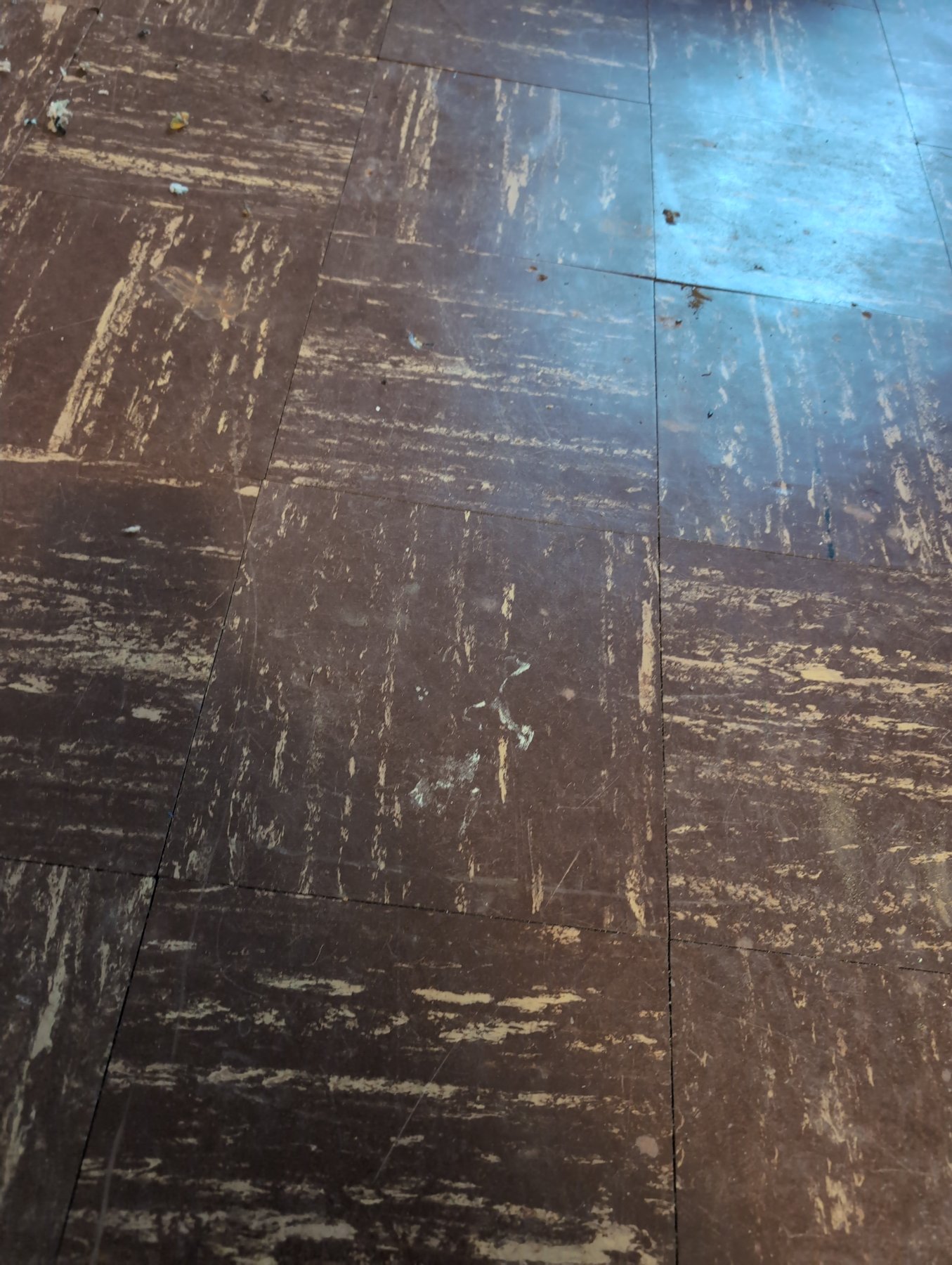
Vinyl floor tile and the adhesive under it, drilled or pulled up during flooring work.
Popcorn and textured ceilings
Scraped or sanded ceiling texture, often during painting or a remodel.
Joint compound and plaster
Walls cut, sanded or demolished to open up a room.
Pipe and duct insulation
Wrap removed or damaged during plumbing or HVAC work.
Before you book.
A contractor disturbed something that might be asbestos. What do I do now?
Stop the work and keep people out of the area. Do not sweep, and do not use a regular vacuum. Then call us and tell us what was disturbed and when. We will plan the sampling on the call.
Can you test the material that was drilled or sanded?
Yes. If it was never tested, we collect a bulk sample for an accredited lab. That answers whether the material contains asbestos at all.
Can you test my HVAC ducts and carpet?
Yes. We collect dust samples from accessible ductwork and HVAC components and from carpeted areas. They are analyzed by TEM at an accredited laboratory.
Does an air test show whether the fibers are asbestos?
Not by itself. PCM counts all fibers and does not tell asbestos from other fiber types. That is why we also sample settled dust and, when needed, the material itself.
Was I exposed? Should I be worried about my health?
We are not physicians and we do not make medical judgments. We test the space and report what we find. If you have health questions, talk to your doctor and share the report with them.
When will I get the report?
Within two days of receiving the laboratory results.
Do you do the cleanup or the abatement?
No. We never sell abatement or cleaning. Our only job is to tell you what is there and what it will take to fix. Removal is done by licensed abatement contractors.
What areas do you cover?
Washington DC, Maryland and Northern Virginia, within about an hour of Silver Spring for residential work. Commercial projects anywhere in the region and beyond by arrangement.
Something got disturbed? Call before anyone cleans.
Weekdays 8 to 5. Tell us what was disturbed and where, and we will quote it on the call.